Is The Finger Lakes Worth Visiting?
An honest case for the Finger Lakes as a wine travel destination: the real Riesling/AVA facts and the real price range, not hype.
Is The Finger Lakes Worth Visiting?
Is The Finger Lakes Worth Visiting?
Yes, for most wine travelers the Finger Lakes is genuinely worth visiting: it is a federally recognized American Viticultural Area established in 1982, it holds more than 100 wineries, and it produces cool-climate Riesling that national wine writers consistently rank among the best in the eastern United States. A guided tasting tour starts from $258 per person with tastings included, so the trip is not cheap, but the quality-to-price ratio is real.
The honest answer depends on what you are comparing it against. If you want Napa-level luxury resorts, tasting rooms with celebrity chefs, and warm-weather patio afternoons, this is not that trip. If you want one of the few places in North America where Riesling, Cabernet Franc and Lemberger are the local specialties, where the vineyards climb hillsides above deep glacial lakes, and where a full guided day of tasting costs less than a single Napa afternoon, the Finger Lakes earns its spot on the list.
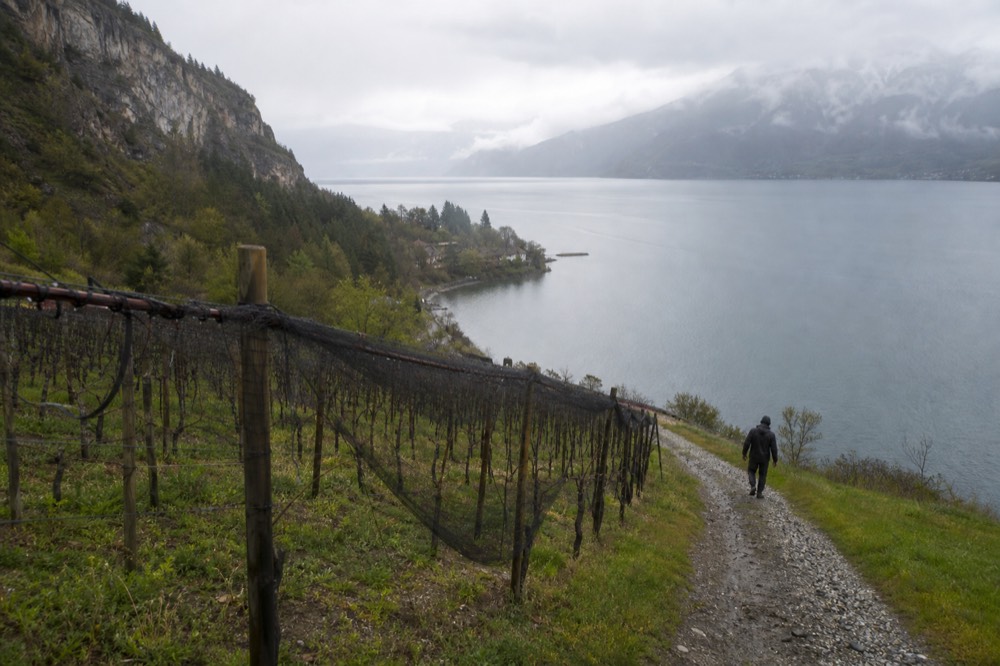
The region's credentials are checkable, not marketing copy. The Finger Lakes AVA was established in 1982 by the Bureau of Alcohol, Tobacco and Firearms, under Treasury Decision ATF-113, and is administered today by the Tax and Trade Bureau. Inside it sit exactly two sub-AVAs: Cayuga Lake, from 1988, and Seneca Lake, from 2003, which covers about 204,600 acres. Keuka Lake, the third famous wine lake, has no AVA of its own, which surprises a lot of visitors who assume all the big lakes share equal federal standing.
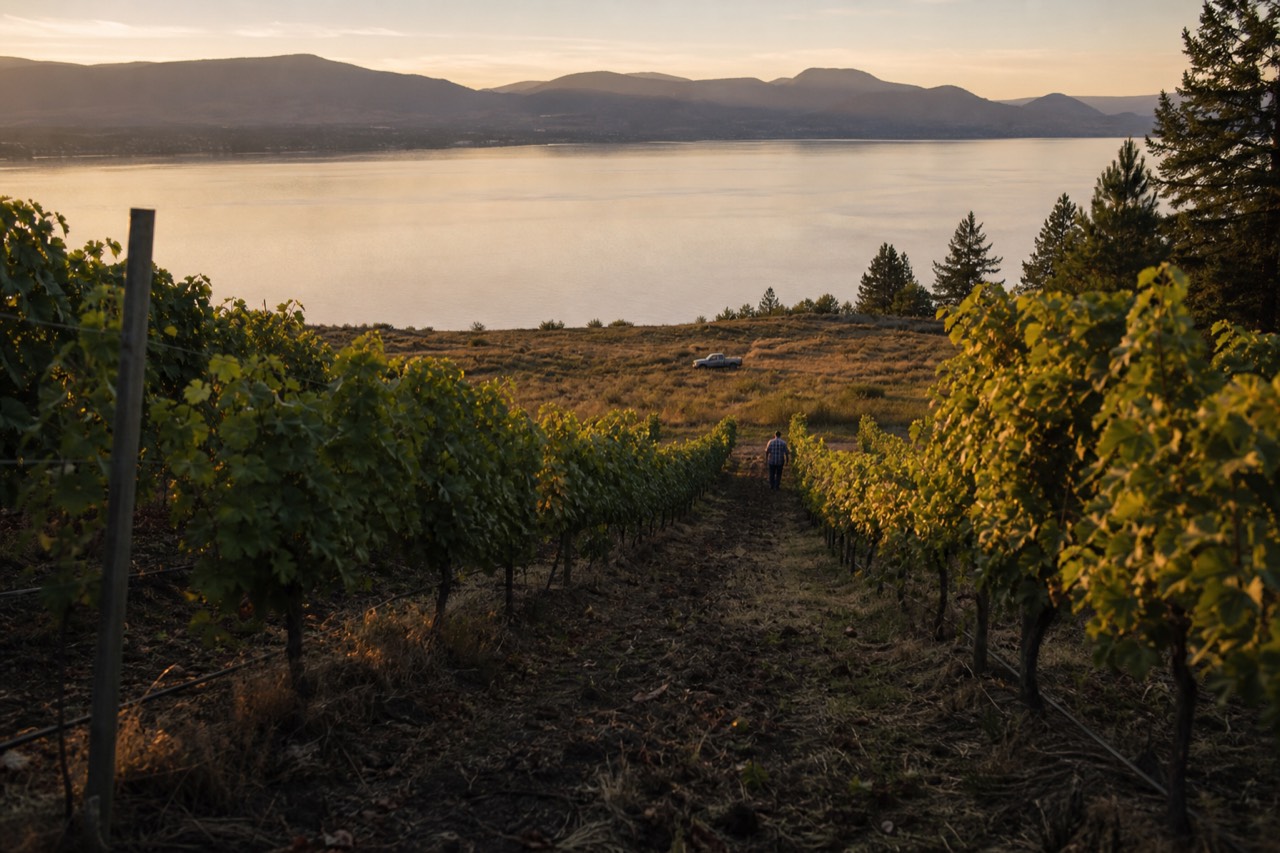
The wine itself is the reason to make the drive. The Finger Lakes Wine Alliance describes the region as producing "world-class Rieslings," and the region is widely regarded as the premier cool-climate Riesling area in the eastern US. The reason is physical, not promotional: Seneca Lake runs roughly 618 to 634 feet deep, rarely freezes, and holds a near-constant deep-water temperature around 39°F year-round. That thermal mass holds summer heat into fall, delaying frost so grapes ripen while keeping their acidity, and buffers winter cold along the shoreline slopes. It is why the vineyards cluster right around the lakes rather than spreading evenly across the countryside.
If that case sounds like your kind of trip, these three listings are the natural starting points, spanning the region's main price tiers:
What Makes The Finger Lakes Different From Other Wine Regions?
The Finger Lakes differs from most American wine regions in three concrete ways: the lakes themselves create a genuine cool-climate microclimate, the signature grape is Riesling rather than Cabernet or Chardonnay, and the tasting experience is built around small rural wineries clustered on lake slopes rather than resort-scale estates. That combination exists in very few places in the country.
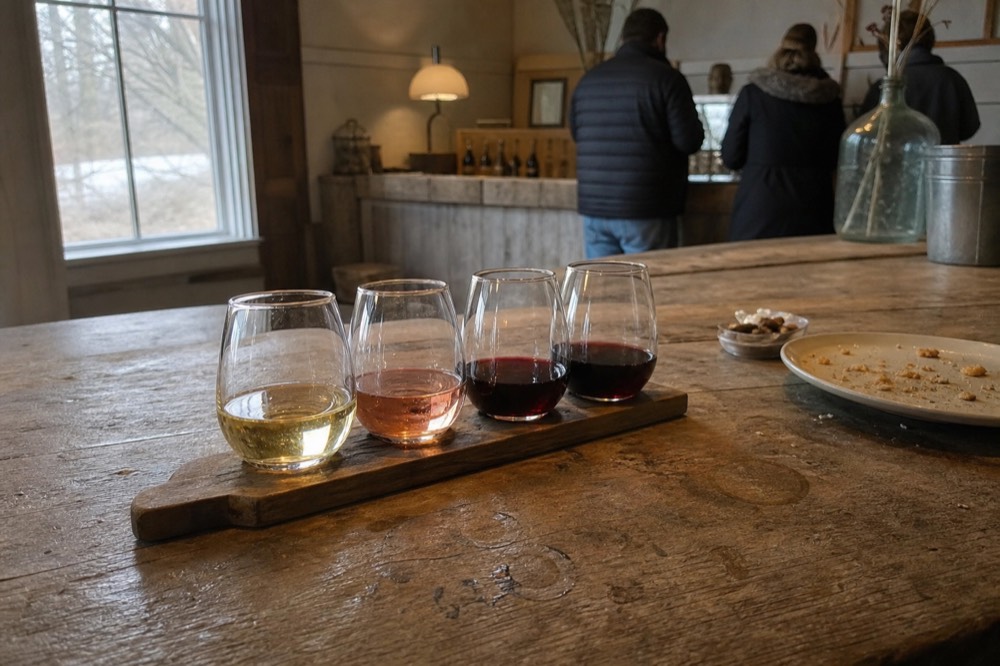
The grape list tells the story. Alongside Riesling, the region grows Chardonnay, Gewurztraminer, Pinot Noir, and Pinot Gris, plus Lemberger, also labeled Blaufrankisch, and Cabernet Franc as the most-planted red vinifera. It also works with hybrid grapes that most visitors have never tasted in a glass: Vidal Blanc, used mainly for ice wine, Seyval Blanc, Traminette, and Cayuga White, a hybrid bred at Cornell's experiment station in Geneva. Ice wine is real here too, made from grapes left on the vine into the hard freeze and pressed while still frozen. A region that can pour you a dry Riesling, a Traminette, and a true ice wine in one afternoon is offering something Napa and Sonoma structurally cannot.
The scale also works in the traveler's favor. The New York Wine & Grape Foundation counts about 140 wineries in the region, and Finger Lakes Wine Country markets it as "over 100 wineries." Either way, the trails are dense enough that a single day covers three or four stops comfortably, which is a question visitors ask constantly. For a deeper look at how much ground you can cover, see how many wineries you can visit in a day.
For first-time visitors, the practical entry point is a shared small-group tour rather than self-driving. The Canandaigua Wine Trail Experience from Crush Beer and Wine Tours runs 5 to 6 hours with tastings included in the price, from $258 per person, capped at 12 travelers. It rates 4.9 across 112 reviews, one of the strongest-reviewed listings in the region, and Canandaigua sits close enough to Rochester to work as an easy first day.
Wondering whether to book ahead or sort it out when you arrive?
Should You Book A Tour Before You Go?
The shared van tours cap at 12 travelers and depart from set points, and the most-reviewed listings fill on peak weekends, so booking ahead is the safer play. The Seneca Lake Wine Tasting & Tour, the region's default recommendation, is non-refundable, so check dates carefully before committing.
What Does A Finger Lakes Trip Actually Cost?
A realistic Finger Lakes wine day costs from $9 per person for a single walk-in tasting at Fulkerson Winery up to $263 per person for the region's most popular guided tour, with tastings included. A private van for up to 4 runs from $389 per group plus tasting fees at the door, and a premium full-day private cultural tour runs from $2,323 per group.
The spread is unusually wide for a single region, which is part of why the value case is honest rather than hype. Here is how the main tiers compare:
| Option | Price | What's included | Reviews |
|---|---|---|---|
| Fulkerson Winery walk-in tasting | from $9 per person | Single-winery tasting, no transport, 25 minutes | 4.4 across 19 |
| Canandaigua Wine Trail Experience | from $258 per person | Shared van, 5-6 hours, tastings included | 4.9 across 112 |
| Seneca Lake Wine Tasting & Tour | from $263 per person | Shared van, 5-6 hours, tastings included | 4.7 across 220 |
| Seneca private van, up to 4 | from $389 per group | Private van, 6 hours, tastings extra | 5.0 across 9 |
| Private full-day Ithaca cultural tour | from $2,323 per group | Private, 7 hours, lunch and tastings included | New listing, no reviews yet |
Two notes on reading that table. The Fulkerson line is a walk-in tasting at a single winery in Dundee, not a guided tour, so treat it as a budget add-on rather than a comparison against the $250-plus guided days. And the private FLX Chauffeur tours include the van and driver only: you pay tasting fees at each winery you choose, which is why their sticker price looks lower per hour than it plays out in practice.
The region's hero tour is worth a closer look for value shoppers. The Seneca Lake Wine Tasting & Tour from Crush Beer and Wine Tours runs 5 to 6 hours, caps at 12 travelers, departs from the 41 Lakefront Hotel in Geneva, and includes tastings in the from-$263 per person price. With 220 reviews at 4.7, it is the most-reviewed listing in the region, which matters when you are booking sight-unseen.
What Are The Honest Downsides?
The Finger Lakes has three real downsides: wineries close early, often by late afternoon, the region is genuinely spread out so a car or a booked van is mandatory, and the lake-effect weather can be gray and cool even in summer. None of these are dealbreakers, but a visitor who expects late-night tasting rooms or a walkable wine village will be disappointed.
The early closing hours are the most common surprise. This is a working agricultural region, and many tasting rooms wrap up in the late afternoon, which shapes the whole rhythm of a day. The reasons and the workarounds are covered in detail in why Finger Lakes wineries close so early.
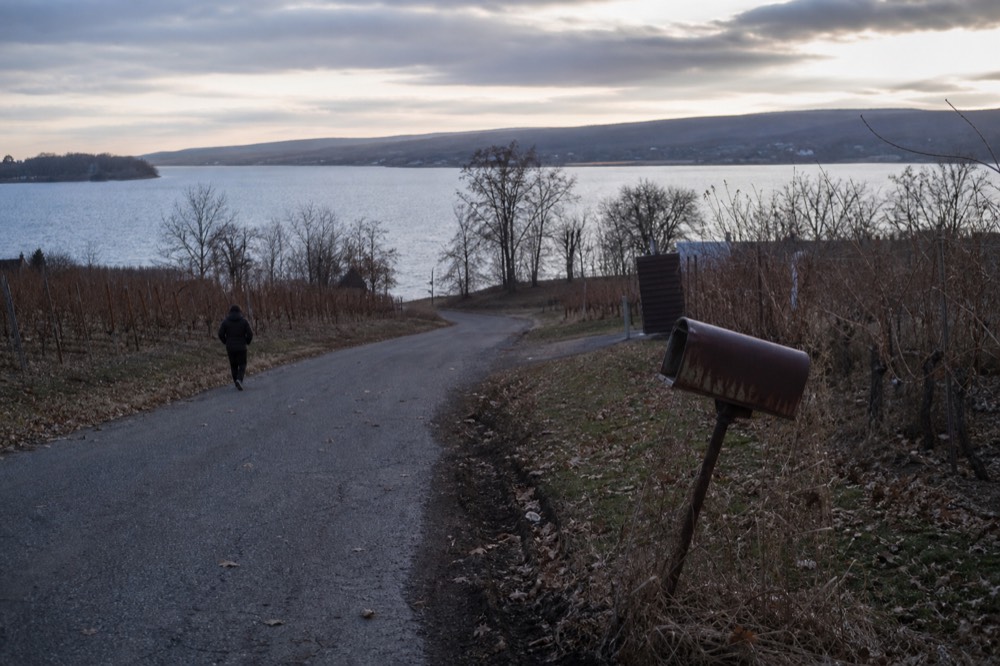
Getting around is the second constraint. There is no wine train and no single walkable village that contains the region; the wineries ring the lakes, and the drives between stops are part of the experience rather than a nuisance. That is precisely why the guided van tours exist, and why they are worth their price for anyone who wants to taste without appointing a driver.
The third honest point is that Cayuga Lake's tour inventory is thin. The region's two dominant operators, Crush Beer and Wine Tours and FLX Chauffeur, concentrate on Seneca, Keuka and Canandaigua, and Cayuga currently offers only a couple of listings, including an all-day guided transport for six from around $420 per group with tastings paid separately at the door. If your heart is set on Cayuga specifically, plan around self-driving or the transport-only option rather than expecting the same shared-tour selection the other lakes have.
When Is The Best Time To Visit, And How Long Should You Stay?
The best months are late May through October, with the fall harvest season from September to mid-October as the peak for both scenery and tasting-room energy, and most first-time visitors should plan two to three days to cover one or two lakes without rushing. A single day works, but it means choosing one lake and sticking to it.
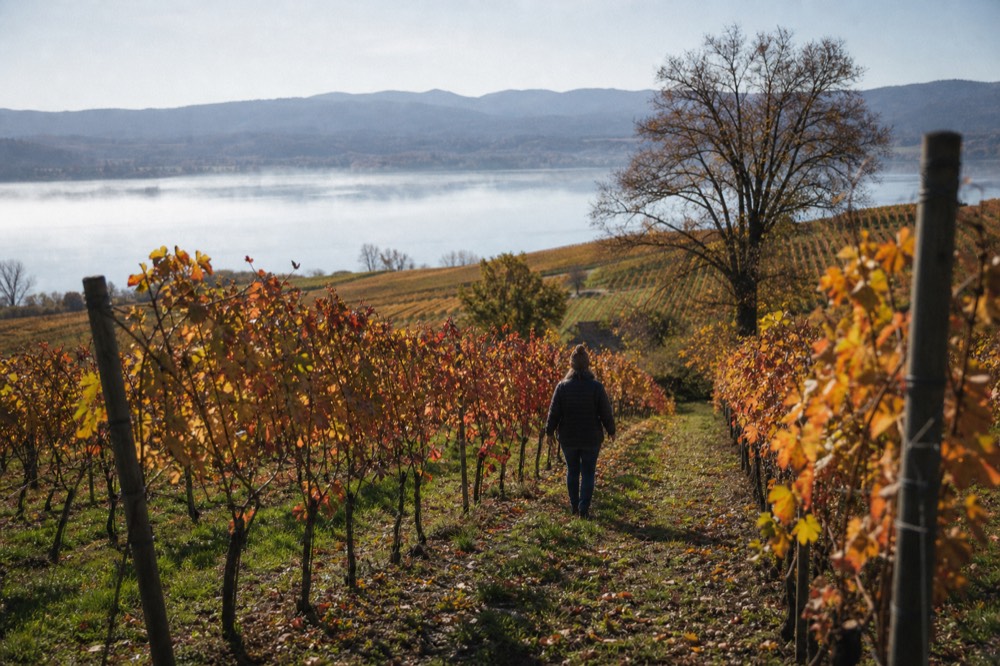
Summer brings green slopes and the warmest weather, but the vines and the crowds are busiest. Fall is when the region looks the way the photographs promise, and it is also when the ice-wine and late-harvest conversation starts at the tasting bars. Winter visits are possible, and some wineries keep reduced hours, but snow on the lake roads is a real logistical factor.
Trip length matters more here than in compact regions. Seneca alone holds enough wineries that a one-day tour covers only a slice of the trail, and adding Keuka or Canandaigua means a second day. The question of pacing comes up constantly, and the answer depends on whether you want depth on one lake or breadth across two. For a fuller treatment, see how many days you need in the Finger Lakes.
For travelers who want the region handled end to end, the premium end of the roster is a private full-day cultural wine tour based in historic Ithaca, from $2,323 per group. It is the most expensive listing in the region, runs 7 hours, and includes lunch and tastings, with free cancellation. It is a new listing with no reviews yet, so it suits confident planners more than review-readers.
The Verdict
Yes, with a caveat that matters: the Finger Lakes is a genuine value for travelers who want cool-climate wine with federal standing, family-run tasting rooms on glacial lake slopes, and a real Riesling reputation, with guided tasting days starting at $258 per person. It is not the right pick for anyone chasing nightlife, resort luxury, or late-night tasting rooms, and no honest verdict should pretend otherwise.
The Finger Lakes is worth visiting if you value what it actually is: a cool-climate wine region with federal standing, a Riesling reputation earned in the glass rather than in ad copy, small wineries run by the families who farm the slopes, and prices that start lower than almost any comparable American wine destination. It is not worth visiting if your ideal trip centers on nightlife, luxury resorts, or a warm-weather patio season. The honest framing is that this region rewards a specific kind of traveler, and punishes anyone who arrives expecting a different one.
For planning beyond the tours, the practical questions are covered across this site, from where to base yourself to what a tasting day costs once you add fees and food. Finger Lakes Wine Tours exists to answer exactly those questions with verified figures rather than guesswork. Start with the tour tier that matches your budget and your group size, and build the rest of the trip around the lake it covers.
The short answers below cover the questions travelers ask most before committing to a Finger Lakes trip: whether the region justifies the drive, what it is known for, how many wineries it holds, whether a car is mandatory, what a tour costs, and which lake to start on. Each answer uses only verified figures, with volatile prices and ratings tagged to September 2026.
Common Questions About Visiting The Finger Lakes
Is The Finger Lakes Worth Visiting?
Yes, for most wine travelers. The region is a federally recognized AVA established in 1982 with more than 100 wineries, a signature cool-climate Riesling reputation, and guided tours from $258 per person with tastings included. It is not a luxury-resort wine region, and tasting rooms close early, but the wine quality and value are genuine.
What Is The Finger Lakes Known For?
Riesling above all. The Finger Lakes Wine Alliance describes the region as producing world-class Rieslings, and it is widely regarded as the premier cool-climate Riesling region in the eastern US. Cabernet Franc and Lemberger lead the reds, and Vidal Blanc ice wine is a regional specialty.
How Many Wineries Are In The Finger Lakes?
Finger Lakes Wine Country markets the region as having over 100 wineries, and the New York Wine & Grape Foundation counts about 144. Either figure points to the same practical reality: the trails are dense, and no single day covers the region.
Do You Need A Car In The Finger Lakes?
Yes, unless you book a guided van tour. The wineries ring the lakes and there is no wine train or walkable hub, so a vehicle or a booked driver is mandatory for tasting. That is the main reason the shared small-group tours, which include tastings in the price, are the most popular way to visit.
How Much Does A Finger Lakes Wine Tour Cost?
Shared small-group tours with tastings included run from $253 to $265 per person. Private vans for up to 4 run from $389 per group with tastings extra, and the premium private full-day Ithaca tour runs from $2,323 per group with lunch and tastings included.
Which Lake Should You Visit First?
Seneca has the deepest tour inventory and the region's most-reviewed listing. Keuka carries one of the highest-rated tours, 4.9 across 63 reviews. Canandaigua is the easiest reach from Rochester and rates 4.9 across 112 reviews on its trail experience. First-timers usually start on Seneca or Canandaigua.