Finger Lakes Wine Trail Map: How The Four Lake Trails Connect
The Finger Lakes wine country is not one trail but four, one per lake, stacked west to east across the region. Here is how they connect, which lakes carry federal sub-AVA status, and how to plan a route that strings them together.
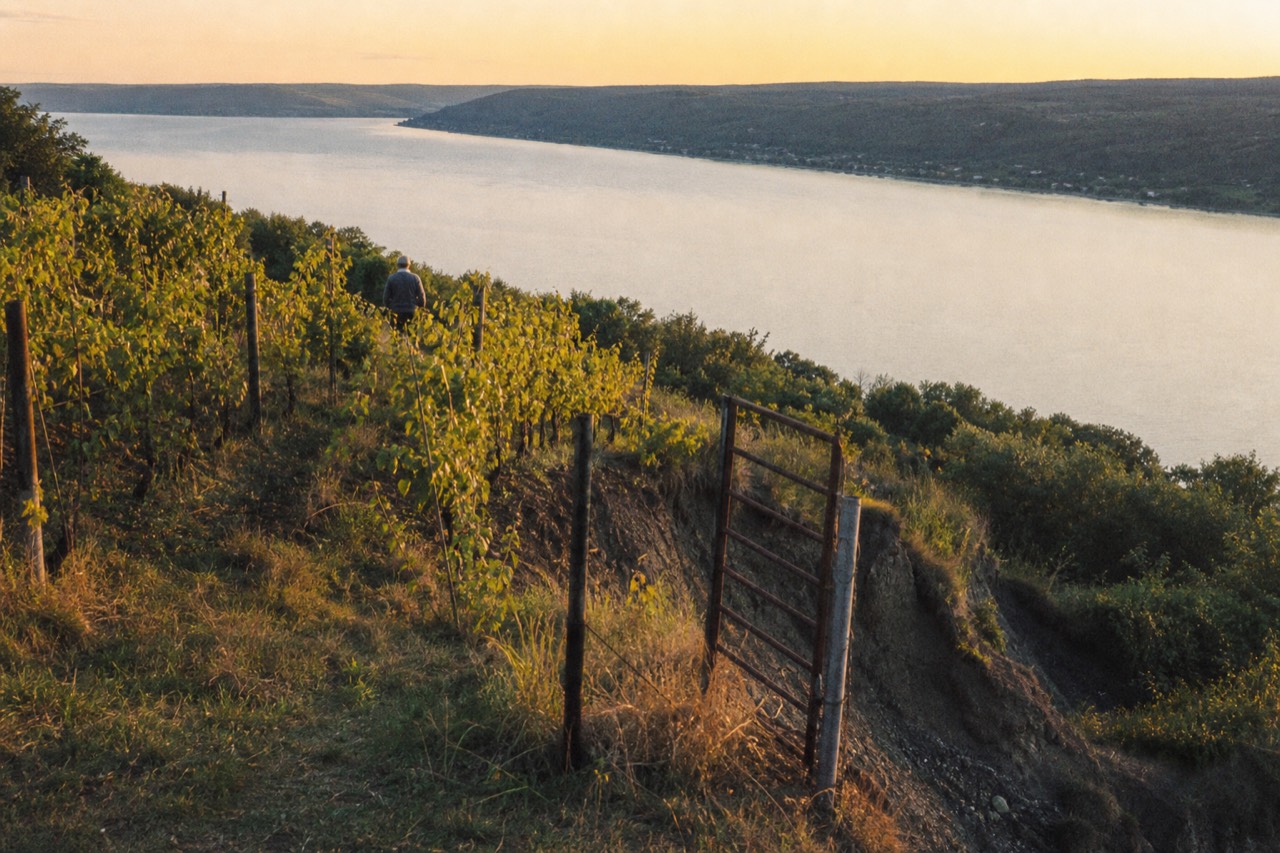
Short answer
The four Finger Lakes wine trails run west to east: Canandaigua, Keuka, Seneca, and Cayuga. Only Seneca Lake (2003) and Cayuga Lake (1988) hold federal sub-AVA status inside the 1982 Finger Lakes AVA; Keuka has none. The trails connect by road, not by a single signed route, so most visitors drive one lake per day.
The Finger Lakes AVA was established in 1982 by the Bureau of Alcohol, Tobacco and Firearms, and it is administered today by the TTB. Inside it sit four major wine trails, one for each of the four long glacial lakes, and they do not share a single signed route. Each trail loops its own lake, connected to the next by ordinary state and county roads. That geography is the whole secret of planning a trip here: pick a lake, pick a side, and drive.
How Do The Four Finger Lakes Wine Trails Connect?
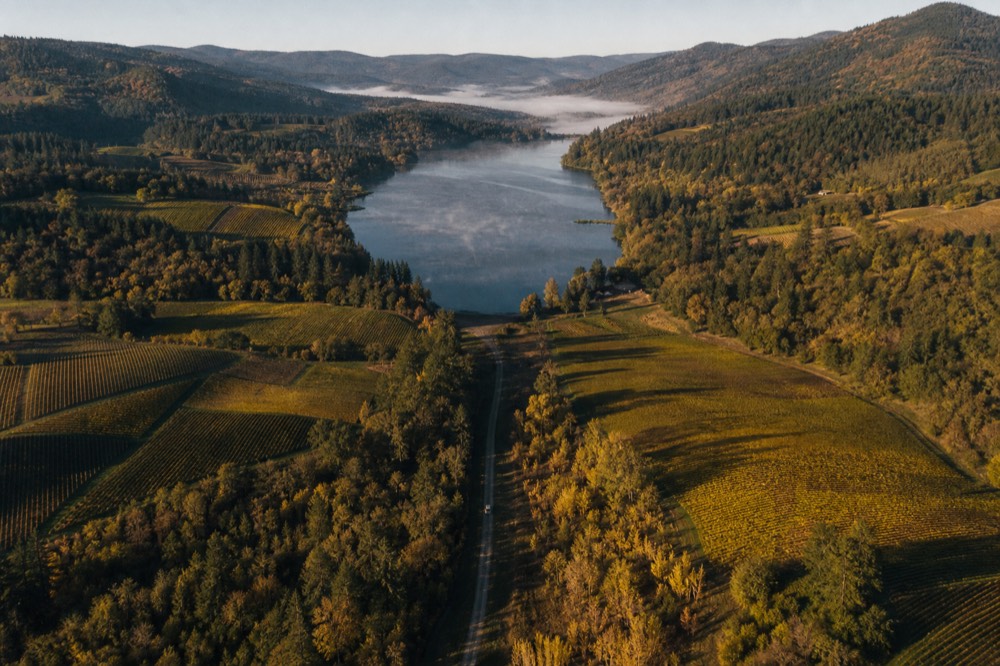
The four trails are stacked west to east in this order: Canandaigua Lake, Keuka Lake, Seneca Lake, and Cayuga Lake. They are separate driving loops, one per lake, linked by state highways and county roads rather than by any single continuous wine route, so a visit usually means choosing one or two lakes and driving their loop. The region holds more than 100 wineries, per Finger Lakes Wine Country, or about 140 per the New York Wine & Grape Foundation, and they cluster on the slopes immediately around the lakes rather than spreading evenly across the countryside. That clustering is not an accident. The deep glacial lakes hold their summer warmth deep into autumn and buffer winter cold along the shoreline, which is exactly the microclimate cool-climate, high-acid grapes like Riesling want. Seneca Lake runs roughly 618 to 634 feet deep, rarely freezes, and holds a deep-water temperature near 39°F year-round.
| Lake | Trail position | Sub-AVA status | Character of the trail |
|---|---|---|---|
| Canandaigua | Westernmost | None | Smaller trail, closest to Rochester, easy add-on lake |
| Keuka | West-center | None | Historic winemaking lake, Y-shaped, compact loop |
| Seneca | Center | Seneca Lake AVA, 2003 | Largest trail, most wineries, most tour inventory |
| Cayuga | Easternmost | Cayuga Lake AVA, 1988 | Long lake, oldest sub-AVA, thinner tour inventory |
The practical consequence of this layout is that no winery-to-winery transit exists between lakes. You drive. Visitors who want structure on the routing often start with a guide like the ones covered on Finger Lakes Wine Tours, then strike out self-drive on a second day once the geography makes sense. For a deeper look at the wineries themselves, see the best wineries in the Finger Lakes, and for fees and hours, wine tasting in the Finger Lakes covers the practicalities.
Where Does Canandaigua Lake Sit On The Wine Trail Map?
Canandaigua Lake is the westernmost of the four trail lakes, the first one you reach coming from Rochester, and its trail is the smallest and most compact of the set. It holds no sub-AVA of its own, but it functions as the gentle introduction to the region: fewer stops, shorter distances between tasting rooms, and a lakeside town at the north end that makes an easy base. The lake sits closest to the city of Rochester, which shapes its traffic: more casual day-trippers, fewer multi-day wine pilgrims. That makes it a good first lake for a first visit, and a good warm-up before the bigger Seneca trail to the east. The town of Canandaigua anchors the north end with lodging and restaurants, and the trail's wineries string down the western and eastern shores from there.
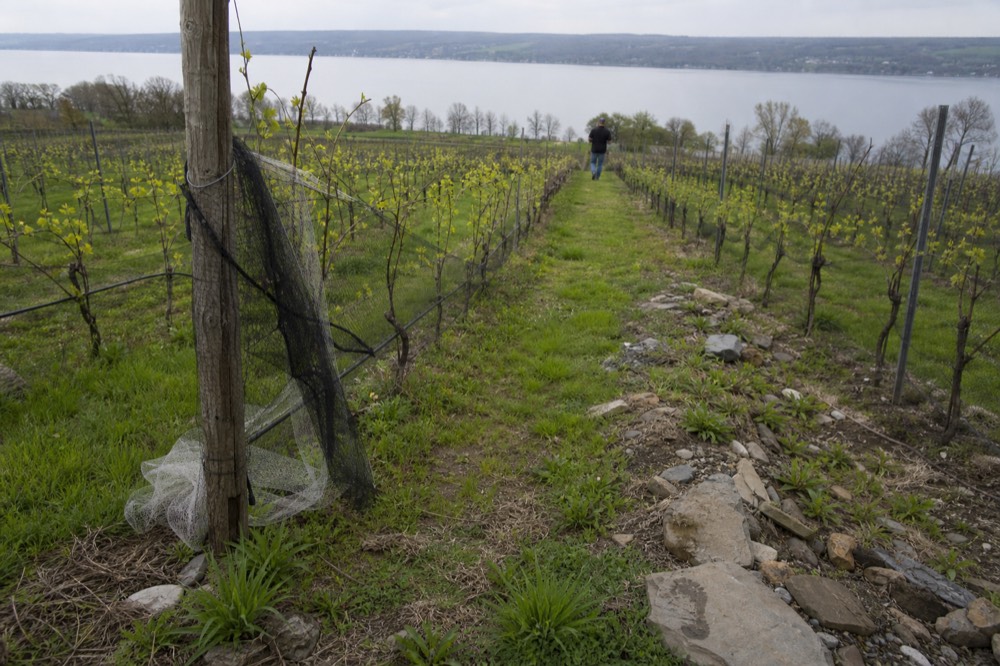
Guided inventory on this lake is real but smaller than Seneca's. The Canandaigua Wine Trail Experience, run by Crush Beer and Wine Tours, is the lake's flagship shared tour: from $258 per person, 4.9 across 112 reviews, 5 to 6 hours, capped at 12 travelers, tastings included. There is also a lunch version at from $321 per person, a new listing with no reviews yet, 7 hours, free cancellation, lunch included. A private customizable option through FLX Chauffeur runs from around $389 per group of up to 4, with the live listing carrying the current figure, tastings extra, and you pick the wineries.
If Canandaigua is your first lake, the shared tour above is the most efficient way to see its shape without studying a map first. The north-end town makes a comfortable base, and the lake's compact loop means a half-day of driving covers the whole trail if you start early enough.
What About Keuka Lake, The Lake With No AVA?
Keuka Lake has no federal sub-AVA of its own, a genuinely distinguishing fact on the trail map: Seneca and Cayuga each hold one, Keuka does not. What Keuka has instead is the region's oldest winemaking history, a compact Y-shaped lake with a drivable loop, and the town of Hammondsport at the south end, one of the prettiest small towns in the region. The absence of an AVA is a paperwork distinction, not a quality judgment. An AVA is a federally recognized grape-growing area boundary, established by what is now the TTB, and Keuka's growers simply never petitioned for one inside the 1982 Finger Lakes AVA. The wine is still Finger Lakes wine. But the fact is worth knowing when labels confuse you: a bottle from a Keuka slope says Finger Lakes on it, not Keuka Lake.
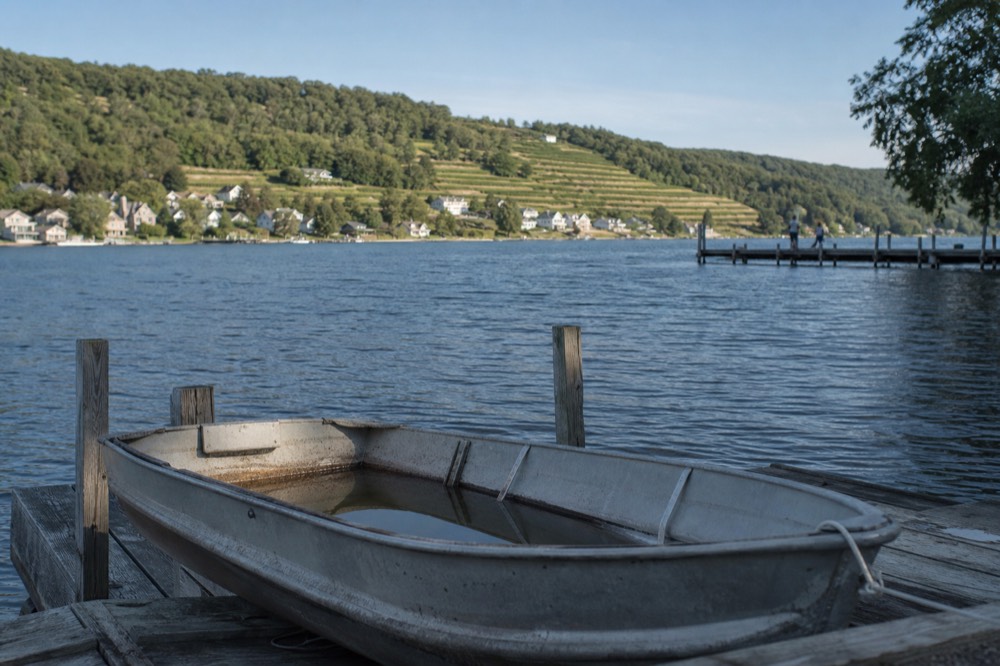
Keuka's guided option is among the highest-rated tours on this site's entire roster: the Keuka Lake Winery Tour, from $269 per person, 4.9 across 63 reviews, 5 to 6 hours, capped at 12, tastings included, non-refundable. A private customizable version through FLX Chauffeur runs from $389 per group of up to 4, 6 hours, tastings extra. The lake's Y shape makes its loop unusually drivable in a single afternoon, which is part of why its compact trail appeals to first-timers who want history without a marathon drive.
Is A Guided Trail Day Or A Self-Drive Loop The Better Way To See The Lakes?
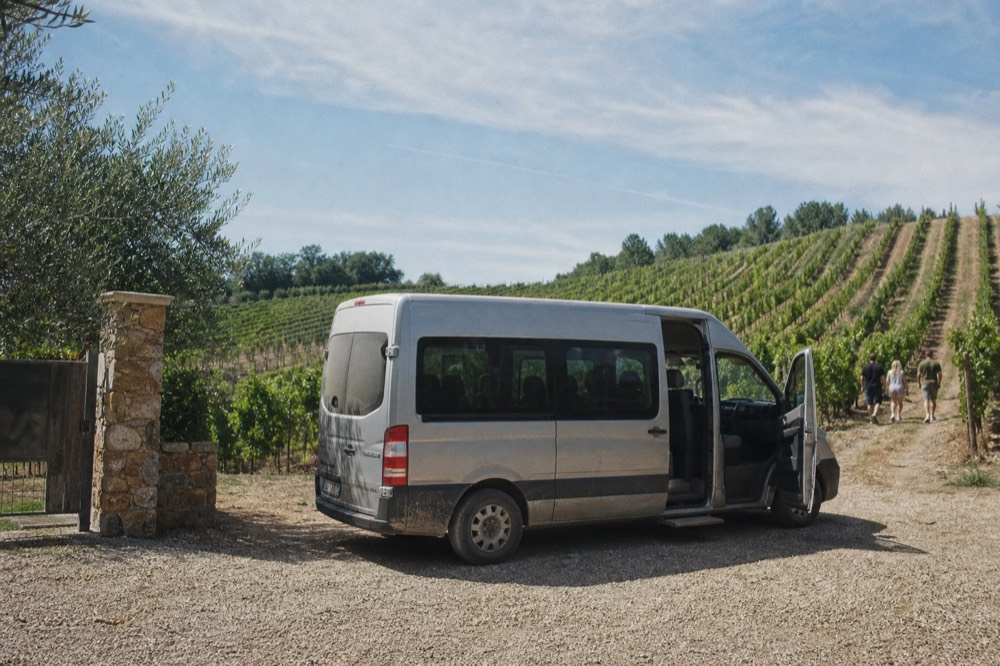
A guided small-group day wins on the first lake you visit, because the operator handles the routing, the tasting reservations, and the driving, and on this roster the shared tours include the tasting fees in the ticket price. Self-driving wins from the second day onward, once you understand the lake geometry, and it is the only way to hit Keuka's back-road stops on your own schedule. The trade is control against convenience. The shared Crush vans cap at 12 travelers and run fixed itineraries; the private FLX Chauffeur vans let you pick every winery but charge tastings separately at the door. Self-drivers pay tasting fees at each stop and answer to no one, but they also do all the driving on rural roads that twist along lake slopes.
| Approach | What's included | Best for | Watch out for |
|---|---|---|---|
| Shared small-group tour (Crush) | Transport, guiding, tastings in the price | First lake, first visit, solo travelers | Fixed itinerary, capped at 12, most non-refundable |
| Private customizable van (FLX Chauffeur) | Transport and guiding only, tastings extra | Groups, repeat visitors, specific winery wish-lists | You plan the stops; tasting fees add up |
| Self-drive loop | Nothing but your own car | Second day, Keuka back roads, walk-in stops | You drive; you book; you pay each fee |
There is a regulatory wrinkle behind the tour format that most visitors never hear about: New York has no wine-tour-specific operator license at all. Operators are ordinary businesses holding for-hire passenger transport authority, and a Class C CDL kicks in at 15 or more passengers with a federal P endorsement at 16 or more, which is exactly why the region's small operators run vans capped at 12 to 14. The cap is not a cozy boutique choice, it is the licensing threshold. A single-winery walk-in like Fulkerson Winery's standard tasting, from $9 per person, 25 minutes, 4.4 across 19 reviews, only works as a self-drive add-on, never as a like-for-like comparison against the $250-plus guided days.
How Do The Trails Physically Connect, Lake To Lake?
The trails connect by ordinary road, not by any continuous signed wine route: state highways and county roads carry you from one lake loop to the next, and the region's total winery count, more than 100 per Finger Lakes Wine Country, is spread across all four loops, so crossing between lakes costs real driving time and no published drive-time figure belongs on any honest trail map. This site deliberately prints no invented minutes between lakes. Distances depend on which end of which lake you start from, and any specific number without a source would be a guess dressed up as a fact. What can be said plainly is the geometry: Canandaigua sits west, Keuka's Y branches just east of it, Seneca is the long central lake, and Cayuga runs parallel to Seneca on the east, its north end near Montezuma and its south end at Ithaca.
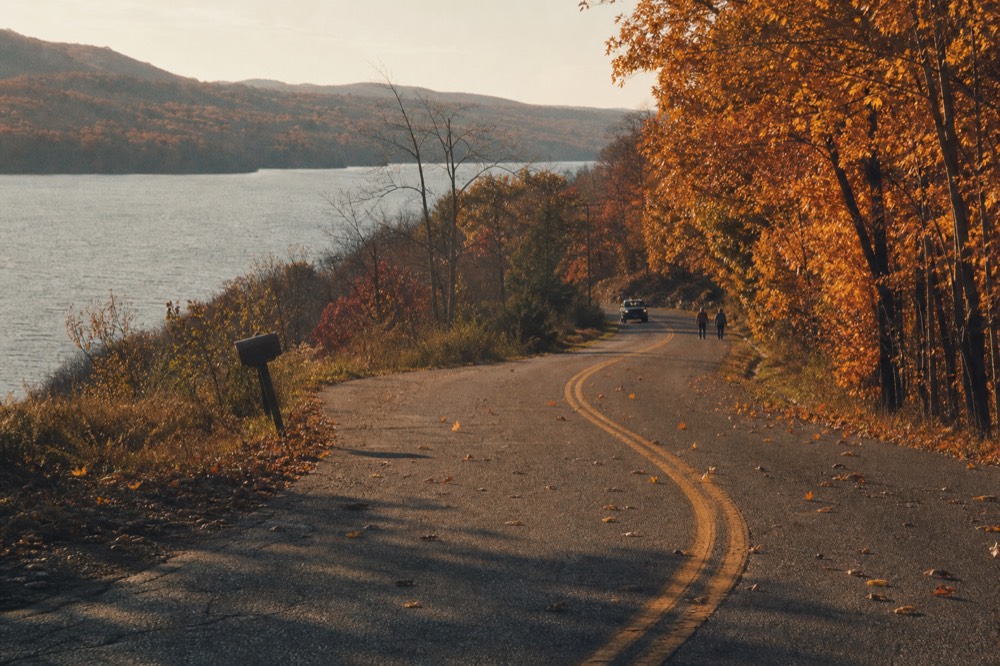
Because the lakes run north-south and parallel, the smart pattern is to work one lake's loop completely rather than zigzag between lakes. Seneca and Cayuga in particular sit close together at their southern ends, which tempts first-time visitors into hopping between them mid-day. Resist it. A winery stop takes about an hour, tasting rooms close early in this region, and the last hour of the day is the easiest one to lose to driving. Two or three well-chosen stops beat five rushed ones, and the arithmetic of a realistic day favors the slower pace.
Which Lake Trail Should You Drive First?
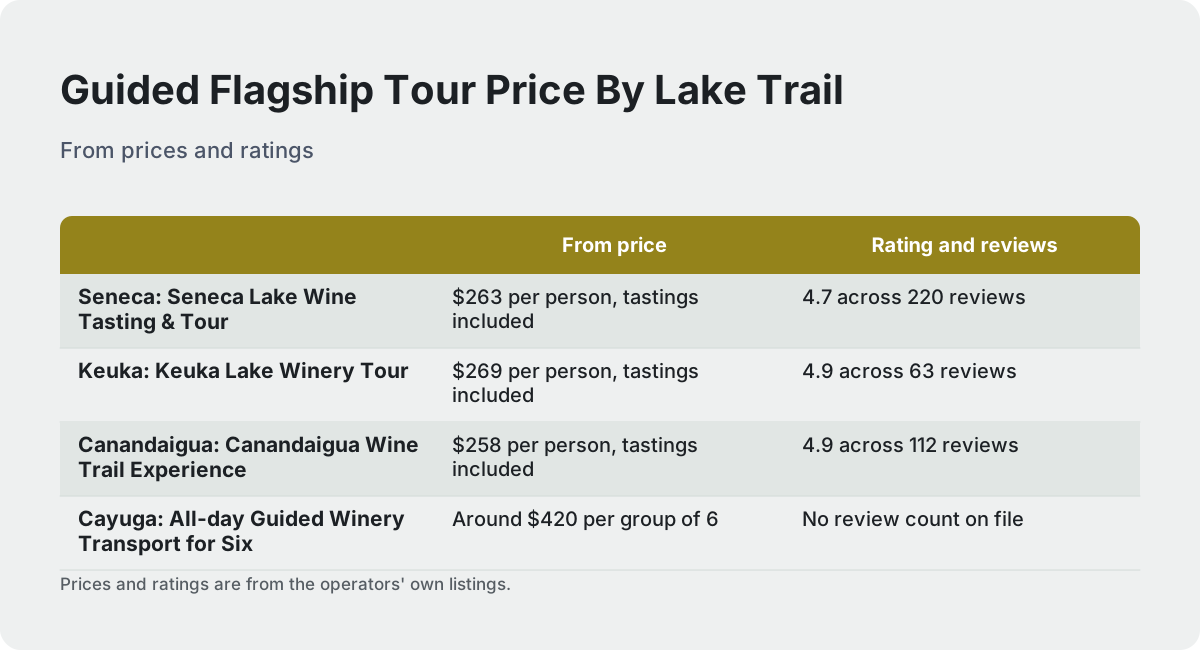
Drive Seneca Lake first for the widest tour selection and the region's most-reviewed guided tour, from $263 per person with tastings included, rated 4.7 across 220 reviews, running 5 to 6 hours, capped at 12, and departing from the 41 Lakefront Hotel in Geneva. Choose Cayuga instead for fewer crowds and the older sub-AVA, Keuka for history on a compact loop, or Canondaigua for the shortest commitment. Seneca's sub-AVA, established in 2003, covers about 204,600 acres around the lake, a citable figure straight from the federal rule, and the lake itself is the deep thermal engine of the region, rarely freezing and holding near 39°F year-round in its depths. That is why the Seneca trail has the densest vineyard clustering of the four.
| Lake trail | Guided flagship | From price | Rating and reviews |
|---|---|---|---|
| Seneca | Seneca Lake Wine Tasting & Tour (Crush) | $263 per person, tastings included | 4.7 across 220 reviews |
| Keuka | Keuka Lake Winery Tour (Crush) | $269 per person, tastings included | 4.9 across 63 reviews |
| Canandaigua | Canandaigua Wine Trail Experience (Crush) | $258 per person, tastings included | 4.9 across 112 reviews |
| Cayuga | All-day Guided Winery Transport for Six | Around $420 per group of 6, live listing has current figure | No review count on file |
Cayuga deserves honesty rather than hype: its guided inventory is genuinely thin, two listings on this site's roster. The All-day Guided Winery Transport for Six runs 7 hours, transport and guiding only, with tastings paid separately at the door, from around $420 per group of up to 6. The premium private option, a full-day cultural wine tour based in Ithaca, runs from $2,323 per group with lunch and tastings included, 7 hours, free cancellation, a new listing with no reviews yet. Cayuga's compensating virtue is its sub-AVA, established in 1988, the older of the two, and its south end at Ithaca gives the trail a college-town anchor the other lakes lack.
What Does The Sub-AVA Map Actually Mean For What's In Your Glass?
Two of the four lakes carry federal sub-AVA status inside the 1982 Finger Lakes AVA: Cayuga Lake, established in 1988, and Seneca Lake, established in 2003, while Canandaigua and Keuka carry none. The designation is a boundary on a map, not a grade of quality; it tells you where the grapes were grown, and the region's signature pour, Riesling, rides on the lakes' shared cool-climate mechanics rather than on any single AVA line. The AVA system, administered today by the TTB, lets wineries put the boundary name on labels when the fruit comes from inside it. Seneca's sub-AVA is the large one at about 204,600 acres; Cayuga's dates back to 1988, making it one of the older lake appellations in the eastern US. No confirmed total acreage figure exists for the parent Finger Lakes AVA, so any map that prints one is guessing.
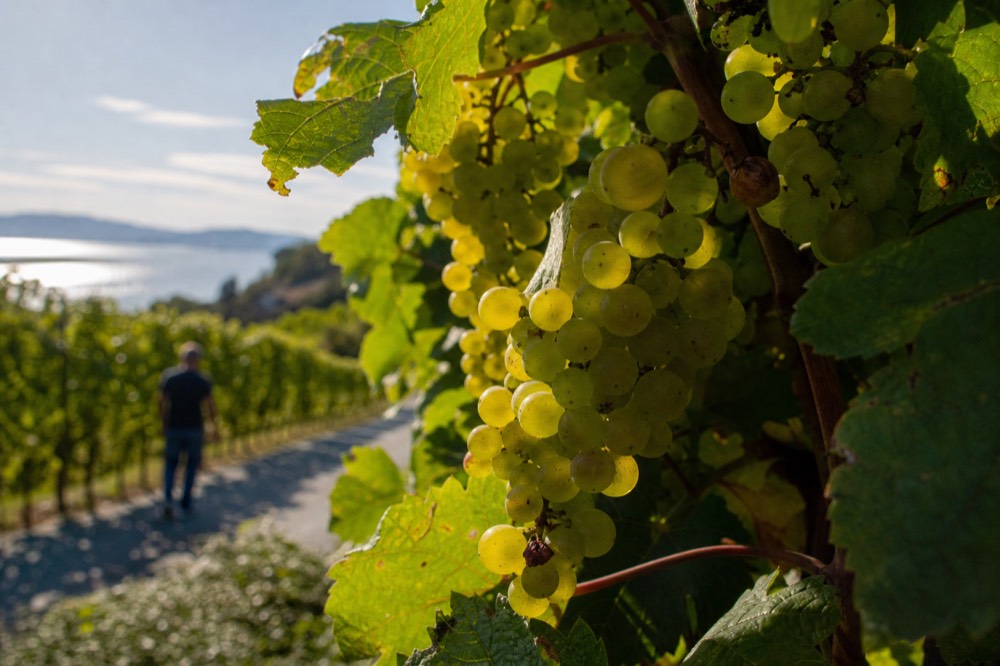
What the map cannot tell you is which grape dominates which lake, because no source splits varietal planting by individual lake. Region-wide, the verified picture is this: Riesling is the signature, the premier cool-climate Riesling region in the eastern US. Cabernet Franc is the most-planted red vinifera, with Lemberger, Chardonnay, Gewurztraminer, Pinot Noir, and some Pinot Gris alongside. The hybrids matter too: Vidal Blanc, picked frozen on the vine for the region's real ice wine, plus Seyval Blanc, Traminette, and Cayuga White, a Cornell-bred cross released in the 1970s and named for the very lake on this map. The varietal story is the same across all four trails, which is one more reason to choose lakes by logistics rather than by grape.
How Do You Plan A Route Across More Than One Trail?
Plan one lake loop per day and connect the lakes at their ends, not across their middles: base yourself in one town, drive that lake's full loop, then move your base when you switch lakes. A realistic multi-lake trip strings Canandaigua or Keuka into Seneca, or Seneca into Cayuga at their neighboring southern ends, and three days is the working minimum for two lakes done properly. The single most common first-timer mistake is treating the region like one continuous trail and losing half of each afternoon to road time between lakes. The second most common is ignoring how early tasting rooms close here, which turns a planned fourth stop into a drive-by. Build the day around two or three winery stops, a real lunch, and a hard cutoff time.
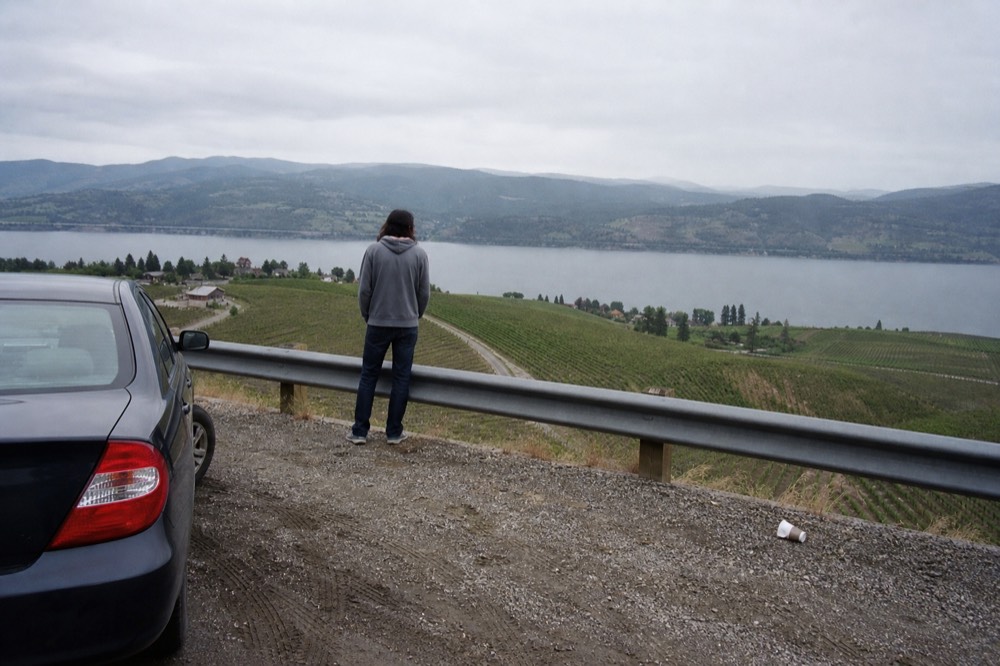
A workable pattern for a first visit: day one on Canandaigua or Keuka, the compact western lakes, ideally with a guided morning so the routing sorts itself out; day two on Seneca, the big loop with the densest winery clustering; day three on Cayuga or a Watkins Glen detour, which pairs well with the Seneca day. If three days sounds right, three days in the Finger Lakes, a real itinerary lays out the full sequence stop by stop. Whichever lakes you pick, the same rule holds: one loop per day, and let the base town do the rest.
The Canandaigua Wine Trail Experience remains the cleanest guided introduction to the western end of the map: from $258 per person with tastings included, 4.9 across 112 reviews, 5 to 6 hours, capped at 12.
However you route it, the map's logic is simple: four lakes, west to east, two with federal sub-AVAs and two without, connected by road and nothing else. Pick a lake, pick a side, and let the loop do the work.
The four Finger Lakes wine trails are separate driving loops stacked west to east, Canandaigua, Keuka, Seneca, and Cayuga, linked only by ordinary roads. Two lakes, Cayuga (1988) and Seneca (2003), hold federal sub-AVA status inside the 1982 Finger Lakes AVA, and Keuka and Canandaigua hold none. Most visitors drive one lake loop per day and move their base town when they switch lakes.
Common Questions About The Finger Lakes Wine Trail Map
How Do The Four Finger Lakes Wine Trails Connect?
They connect by ordinary state and county roads, not by a single signed wine route. Each lake has its own driving loop, stacked west to east: Canandaigua, Keuka, Seneca, and Cayuga. Most visitors drive one lake loop per day rather than trying to link multiple lakes in a single outing.
Which Finger Lakes Have Their Own AVA?
Two of the four. The Cayuga Lake AVA was established in 1988 and the Seneca Lake AVA in 2003, both inside the parent Finger Lakes AVA established in 1982 by the BATF and administered today by the TTB. Keuka and Canandaigua have no sub-AVA of their own.
What Is The Biggest Finger Lakes Wine Trail?
The Seneca Lake trail is the largest of the four, with the densest clustering of wineries on the slopes around the lake and the deepest guided-tour inventory. Its sub-AVA covers about 204,600 acres, per the federal rule that established it in 2003.
Can You Do More Than One Lake Trail In A Day?
Realistically, no, not well. Each loop is a full day once you account for tasting stops, lunch, and the early closing hours common at Finger Lakes tasting rooms. A better plan is one lake per day, moving your base town when you switch lakes.
Which Side Of Seneca Lake Is Better For Wineries?
Both shores carry substantial winery clusters, and the choice usually comes down to where you are based: Geneva at the north or Watkins Glen at the south. The eastern shore tends to carry the denser cluster of well-known stops, but both sides reward a full loop.
How Many Wineries Are In The Finger Lakes Region?
More than 100, per Finger Lakes Wine Country, or about 140 per the New York Wine & Grape Foundation. The count varies by how the region is bounded, which is why this site prints the figure only with attribution, never as a bare number.