Why Do Finger Lakes Wineries Close So Early?
Rural tasting rooms across the Finger Lakes shut their doors in the late afternoon or early evening, and the reasons are practical, legal, and geographic. Here is what to expect and how to plan around it.
Why Do Finger Lakes Wineries Close So Early?
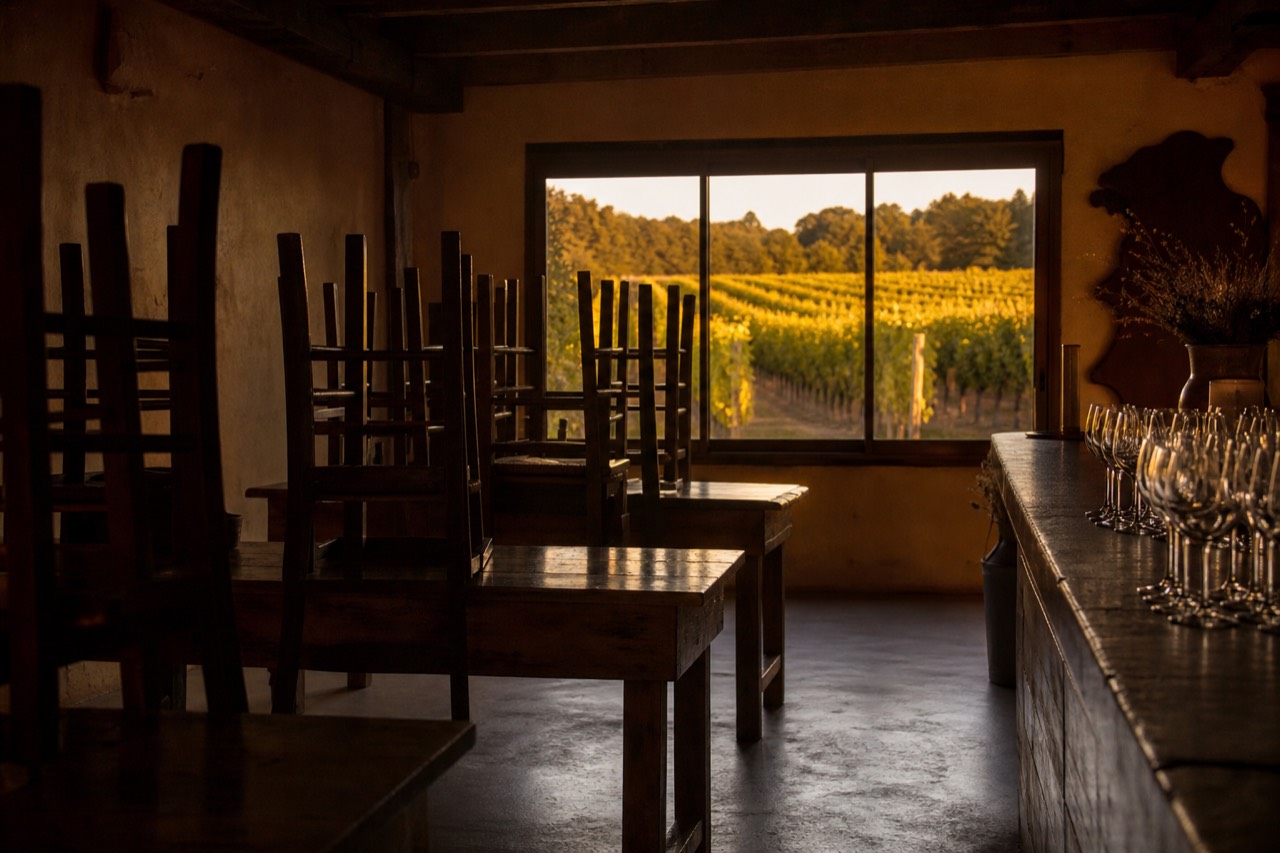
Most Finger Lakes tasting rooms stop pouring between 4 and 6 pm, and many keep winter hours that end even earlier. The pattern catches first-time visitors off guard, especially anyone arriving from a city where a bar stays open past midnight. The short version: these are rural production facilities with small staffs, licensed under New York State alcohol law, pouring in buildings that were designed around winemaking rather than nightlife.
The surprise is real enough that it shapes how people plan their trips. A day in wine country here is a daytime activity, and the wineries that cluster on the slopes around the deep glacial lakes are built around daylight, harvest schedules, and the practical limits of running a tasting room in a place where the nearest town may be twenty minutes away.
Why Do Finger Lakes Wineries Close So Early?
Finger Lakes wineries close early because they are small rural businesses running daytime tasting rooms alongside working wine production, staffed by lean crews in remote locations, and licensed under New York alcohol law, which makes evening pouring more trouble and cost than it is worth. Closing at 5 or 6 pm is the industry norm here, not a sign of unfriendliness.
The economics drive most of it. A tasting room in the Finger Lakes is often attached to the production facility itself, the tank room, the barrel cellar, the crush pad. The same handful of employees who pour samples may also work the cellar, run the register, and handle the wine club shipments. Once the tasting room closes, the winemaking work continues, and a crew that has been pouring since 10 am has a full second job waiting for them.
Geography compounds the staffing problem. The vineyards cluster on the slopes immediately around the lakes because the water moderates the microclimate, holding summer warmth into fall and buffering winter cold. That means the wineries sit on rural roads, sometimes a long drive from where staff actually live. An employee who finishes at 6 pm has already committed to a commute home through farm country in the dark. Staying open until 9 pm would mean asking that person to give up their evening for a trickle of late customers, and the numbers rarely justify it.
There is also a demand-side reality: wine country here is a daytime destination. Visitors drive the lakes, taste through the afternoon, and head back to their hotel or a restaurant in Geneva, Watkins Glen, or Hammondsport for dinner. The wineries that have tried extended evening hours have generally found that the traffic does not materialize outside of special events. It is a self-reinforcing cycle, but it started with the production-first nature of the business, not with the visitors.
The legal layer matters too. Tasting rooms operate under New York Alcoholic Beverage Control Law, and a winery's license covers on-site consumption under specific conditions. Serving into the evening does not change the license itself, but it does change the operational risk profile: later hours mean more consumption per visit, more responsibility on the serving staff, and more need for the kind of security and insurance infrastructure a small winery does not carry. Closing early keeps the tasting experience in the daytime, food-and-shopping mode that most rooms are built for.
If the schedule is the thing you are planning around, a guided tour with fixed timing is the cleanest fix, because the operator has already solved the logistics problem for you.
What Time Do Finger Lakes Wineries Usually Close?
Plan on tasting rooms closing between 4 and 6 pm, with 5 pm the most common last call, and some rooms closing at 4 pm in the winter months. Doors typically open between 10 am and noon. Always check the specific winery's current hours before driving out, because hours vary by season and by winery.
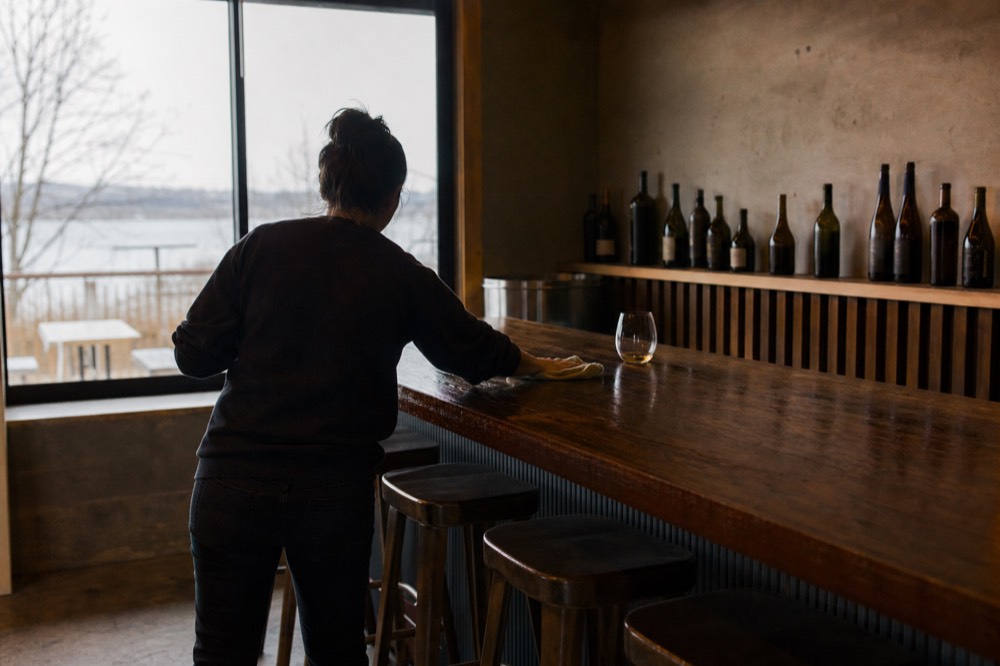
Those ranges are planning guidance rather than operator promises, because there is no regional standard. What is consistent is the shape of the day: a mid-morning opening, a steady afternoon, and a hard stop that arrives earlier than most visitors expect. The last pour usually happens before the official closing time too, since staff need to settle the register and clean the bar before locking up.
A realistic planning table looks like this:
| Part of the day | What usually happens | Planning advice |
|---|---|---|
| 10 am to noon | Tasting rooms open, quietest hours of the day | Best time for conversation with tasting room staff |
| Noon to 3 pm | Peak pouring hours, rooms at their busiest | Expect waits at popular wineries on weekends |
| 3 to 5 pm | Crowds thin, last tastings of the day | Arrive with a comfortable buffer before closing |
| After 5 or 6 pm | Almost all tasting rooms closed | Plan dinner in town, not at the winery |
Two practical notes from the schedule itself. First, arriving close to closing is the classic mistake: a winery that closes at 5 pm will usually stop pouring new tastings before then, so a late-afternoon arrival can mean a rushed sample or a turned-away group. Second, winter hours run shorter across the board, and some wineries close entirely on weekdays in the slow season. The fix in both cases is the same: build the day around the clock rather than hoping a late stop will work out. The fees, hours, and etiquette details are covered in full in the wine tasting fees and hours guide.
Should You Book A Scheduled Tour To Beat The Clock?
If the closing-time math is making your head hurt, a small-group tour with fixed pickup is the simplest way to guarantee the schedule works. The operator plans the route, the stops, and the timing, and you do not have to watch the clock at all.
Is There Anywhere To Taste Later In The Evening?
Honest answer: very little. A handful of wineries run occasional evening events, food pairings, or music nights in the summer season, but regular late-evening tasting is not part of the Finger Lakes model. Your reliable evening options are restaurants with strong local wine lists in the towns, not tasting rooms on the lakes.
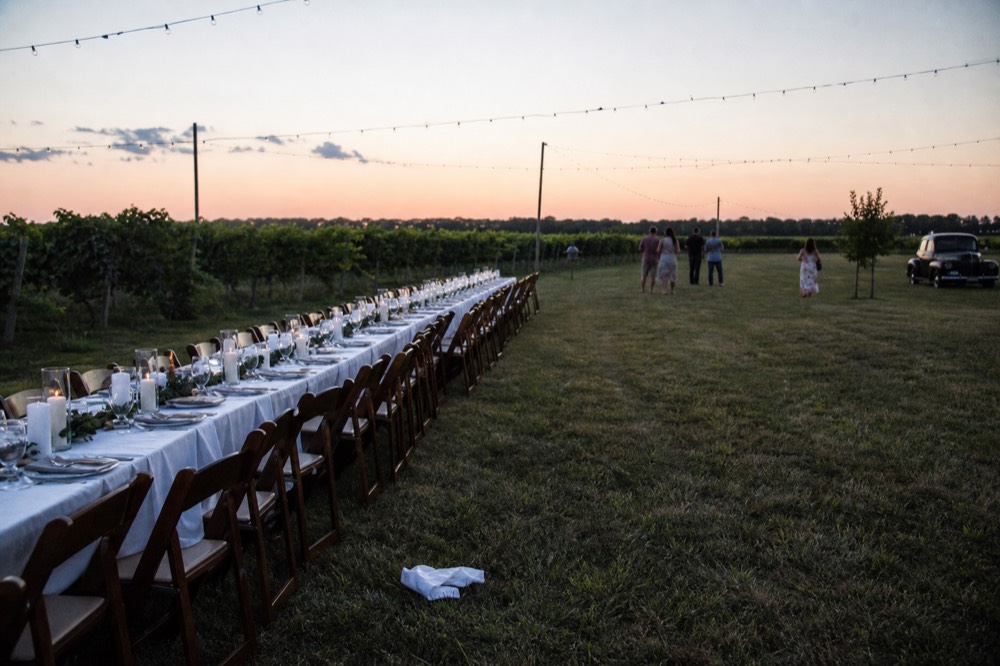
The exception is the event calendar rather than the daily schedule. During the warmer months, some wineries host ticketed evening concerts, harvest dinners, and holiday-weekend pours that run past the normal hours. These are special occasions with their own tickets and their own staffing, which is exactly why they can exist: the winery plans for the evening in advance instead of staying open on spec. If an evening tasting experience matters to your trip, search the event calendars of the specific wineries you want to visit rather than assuming any room will be open.
The other workaround is structural: build the late afternoon and evening around food. The region's restaurant scene has caught up with its wine scene, and plenty of places in Geneva, Watkins Glen, Skaneateles, and Hammondsport pour Finger Lakes Riesling and Cabernet Franc by the glass well into the evening. You lose the vineyard view at night anyway, and you gain a dinner that pairs the local bottles with an actual kitchen. The Finger Lakes cheese trail and food pairing stops guide covers the food side of the region in detail.
This is also where the lunch-included tours earn their keep. The Seneca Lake Wine Tasting Tour with Lunch runs 7 hours with tastings and lunch built into the price, from $325 per person. Because the midday meal is part of the itinerary rather than a detour, the day uses the daylight hours efficiently and finishes at a sane hour, which is precisely the problem the closing-time schedule creates for independent planners. It carries free cancellation, so the schedule can shift after booking without penalty.
How Does A Scheduled Tour Solve The Hours Problem?
A scheduled tour hands the closing-time problem to the operator, who plans a route that fits three to four winery stops inside the daytime window and handles the driving between them. You get more wineries in the usable hours, no route-planning stress, and a guaranteed finish time, which is why the format is popular here.
The arithmetic is the argument. If tasting rooms close at 5 pm and open at 10 or 11 am, the usable window is roughly six hours. Driving between wineries on rural roads eats 15 to 25 minutes per leg, each tasting takes 45 minutes to an hour, and a lunch stop takes another hour if you have not planned for it. An independent group that dawdles at stop two has already lost the last winery on its list. A tour operator runs this calculation every week and builds the route accordingly.
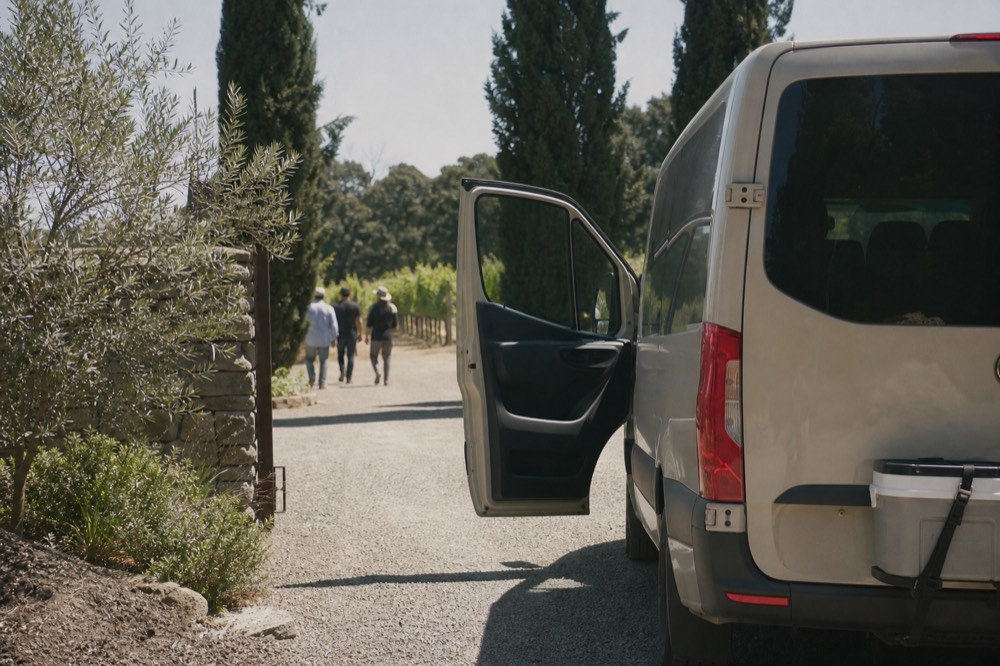
The Keuka Lake Winery Tour from Crush Beer and Wine Tours is a good example of the format working at its best: 5 to 6 hours, capped at 12 travelers, tastings included in the price, from $269 per person. It carries a 4.9 rating across 63 reviews, among the highest star ratings on this site's roster, and it is non-refundable, so the fixed schedule cuts both ways. The trade is real: you give up the freedom to linger, and you get a day that actually fits inside the wineries' operating hours.
The private options solve the same problem differently. FLX Chauffeur runs customizable private van tours from $389 per group of up to 4, where you pick the wineries and the driver handles the timing. That format still works inside the daytime window, and it is the better choice for groups who care more about which specific wineries they visit than about the price per person. The tradeoffs across all the package types, shared versus private, tastings included versus extra, are compared in the wine tour packages and costs guide.
Does The Season Change Closing Times?
Yes, and by a lot. Summer and fall bring the longest hours, with some rooms staying open until 6 pm at peak season, while winter brings the shortest schedule of the year, with reduced days, earlier closings, and some wineries shutting their tasting rooms entirely on weekdays. Plan around the season, not a single rule.
Fall is the high season and the reason for it is harvest. September through October brings leaf season, grape harvest, and the biggest crowds of the year, and wineries respond by extending hours where the traffic justifies it. It is also the one time of year when the production side and the visitor side of the business are running at full intensity simultaneously, which is worth seeing if you can time a trip for it.
Winter is the opposite problem. January through March is quiet, snow is routine, and many tasting rooms cut back to weekend-only service or shortened weekday hours. A winter trip can be lovely, the tasting rooms are uncrowded and the staff have time to talk, but it demands checking hours winery by winery rather than assuming anything is open.
| Season | Typical tasting room pattern | What it means for planning |
|---|---|---|
| Spring (April to May) | Hours ramping back up, some weekday closures early on | Check ahead midweek; weekends are safe |
| Summer (June to August) | Longest hours of the year, more evening events | Most flexible season for a full day |
| Fall (September to October) | Peak season, extended hours at busy rooms | Book tastings and tours well ahead |
| Winter (November to March) | Reduced days, earlier closings, weekday closures | Verify every stop before driving out |
The seasonal pattern is one more argument for the scheduled-tour format in the shoulder seasons, because a tour operator will not build a route around a winery that is closed on Tuesdays in November. The operator's route exists because the hours work, and your day inherits that research for free.
The Short Version
The early closings are not a flaw in the region. They are the region working as designed, and planning around them is what separates a good trip from a frustrating one. These are wineries first and tasting rooms second, sitting on rural slopes because that is where the grapes grow, staffed by small crews whose day does not end when the door locks.
The visitors who have the best trips here are the ones who build the day inside the daytime window instead of fighting it. Finger Lakes Wine Tours exists partly because the closing-time math is genuinely hard to do yourself, and a well-planned route is worth paying for.
If a guided day fits your trip, these three are the strongest options for turning a tight daytime window into a full itinerary:
The questions below cover the practical details visitors ask most: the exact closing window, whether evening tasting exists anywhere, how early to arrive, how winter changes things, and whether a guided tour sidesteps the whole problem. Each answer is short and direct, drawn from the same reporting as the article above.
Common Questions About Finger Lakes Winery Closing Hours
Why Do Finger Lakes Wineries Close So Early?
Because they are small rural production businesses with lean staffs in remote locations, licensed under New York alcohol law, and evening traffic does not justify staying open. Most rooms close between 4 and 6 pm, with 5 pm the most common last call.
Can You Taste Wine In The Finger Lakes In The Evening?
Rarely. A few wineries run ticketed evening events, dinners, and concert nights in the warmer months, but regular late-evening tasting is not part of the model. Restaurants in the towns pour local wine by the glass into the evening.
What Time Should I Arrive At A Winery Before It Closes?
Arrive well before the posted closing time, with a comfortable buffer for a full tasting. Many tasting rooms stop starting new tastings before the official closing hour, so a last-minute arrival can mean a rushed pour or a turned-away group.
Do Wineries Close Earlier In Winter?
Yes. Winter brings reduced days, earlier closings, and weekday closures at some wineries. Check each room's current hours before driving out between November and March.
Does A Guided Tour Avoid The Closing-Time Problem?
Yes, that is the main practical benefit. The operator builds a route that fits three or four winery stops inside the daytime window and handles all the driving, so the schedule works by design rather than by luck.