Best Time To Visit Finger Lakes Wineries: A Month-By-Month Guide
October brings harvest energy and fall color, but every season in the Finger Lakes rewards a different kind of wine traveler. Here is what each month actually delivers, from frozen ice wine grapes to quiet winter tasting rooms.
Short answer
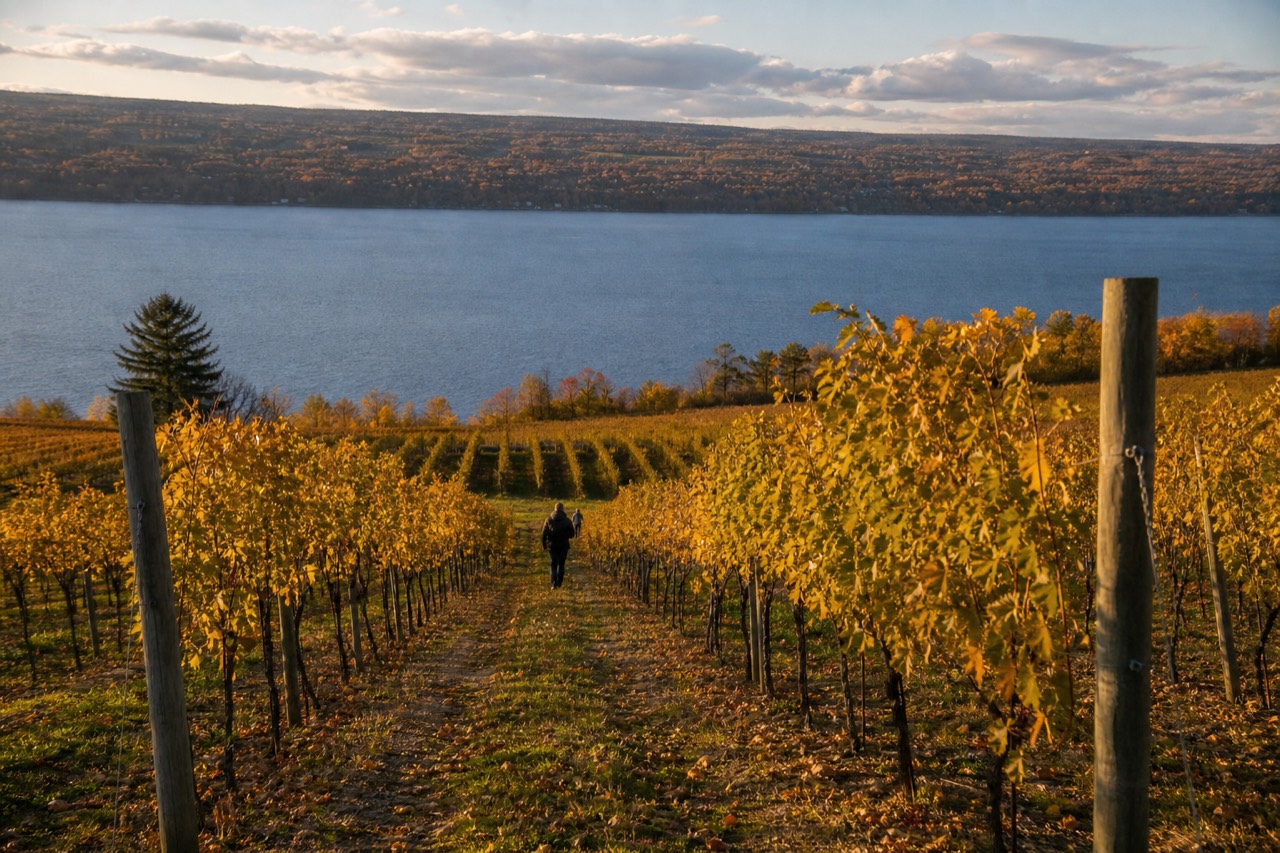
The best time to visit Finger Lakes wineries is late September through October, when harvest season is underway, the vineyards turn color, and nearly every tasting room on Seneca, Keuka and Cayuga is open. May and June offer green vines and thin crowds, and deep winter is the only season for ice wine country.
When Is The Best Time To Visit Finger Lakes Wineries?
The best window is late September through October, when harvest is in motion, the vineyards turn gold and red, and tasting room hours are at their longest. May through June is the strong runner-up, with green vines, thin crowds and full spring schedules. Deep winter is the quietest season, and the only one where the region's ice wine story is being written in the vineyard.
The reason the calendar matters so much here is geography. The Finger Lakes are deep glacial lakes, and Seneca Lake runs roughly 618 to 634 feet deep, rarely freezes over, and holds a near-constant deep-water temperature around 39°F year-round. That thermal mass is why the vineyards cluster on the slopes right around the lakes rather than spread evenly across the region: the water holds summer heat into autumn, delaying the first killing frost so grapes can ripen while keeping their acidity, and buffers winter cold along the shoreline. Your experience of a tasting room in July versus November is shaped by that same mechanism.
Timing also changes what is in your glass. Riesling, the region's signature grape, is picked in stages from early fall onward, and the later picks concentrate flavor. Ice wine is the extreme case: grapes, most often Vidal Blanc, are left on the vine into the hard freeze and pressed while still frozen, which means the region's most distinctive dessert wine literally cannot exist until deep winter delivers the right conditions.
The month-by-month table below is the short version of everything this guide covers in detail.
| Month | What the vineyards look like | Crowd level | Tasting room hours |
|---|---|---|---|
| January to March | Bare vines, snow on the slopes, ice wine grapes waiting for hard freezes | Lowest of the year | Shortest, some rooms close midweek |
| April | Pruning season, mud, very little green | Very low | Limited, call ahead |
| May | Bud break begins, first green on the slopes | Low | Back to fuller spring schedules |
| June | Full green canopy, long daylight | Moderate | Long hours, weekend events |
| July to August | Peak green, lake recreation season at its height | Highest | Longest hours of the year |
| September | Veraison, reds turning color, early picks | Moderate to high | Long, harvest events begin |
| October | Harvest in motion, fall foliage peak | High, especially weekends | Long, harvest energy everywhere |
| November | Vines going dormant, late foliage fading | Low | Reduced, some midweek closures |
| December | Bare vines, holiday events at many wineries | Moderate on event weekends | Reduced but holiday-focused |
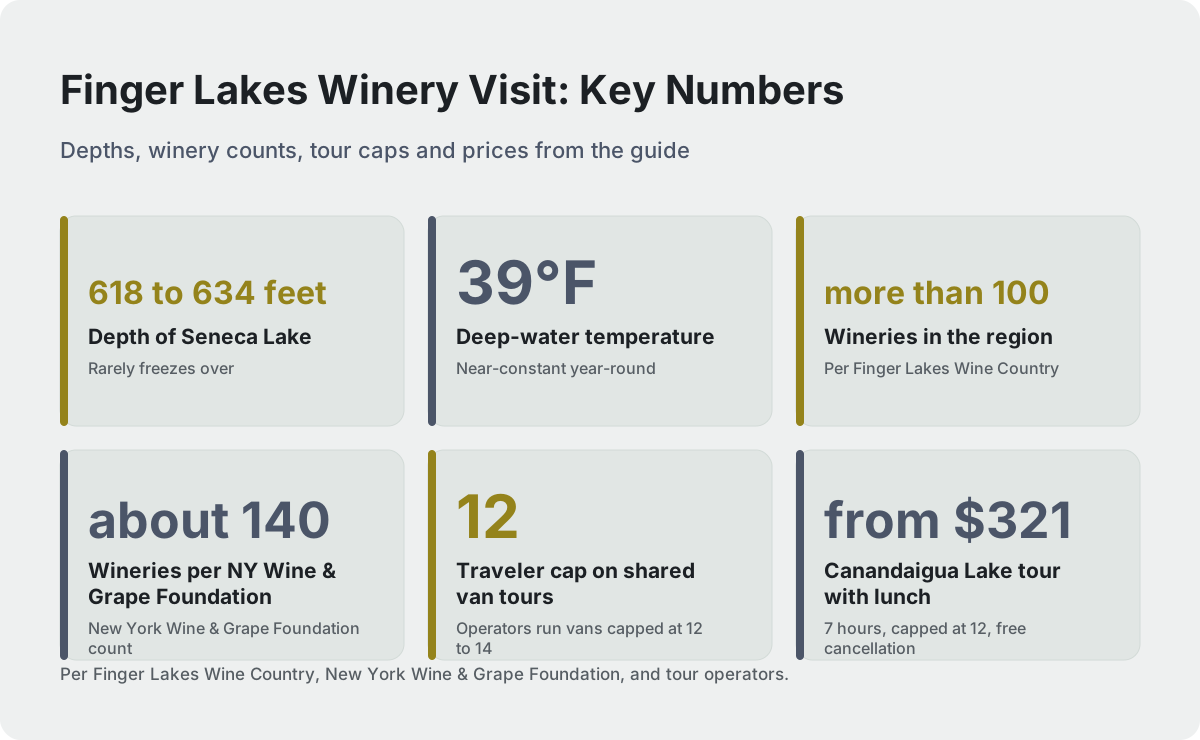
One planning note before the deep dives: more than 100 wineries operate across the region, per Finger Lakes Wine Country, and the New York Wine & Grape Foundation counts about 140. Not all of them keep the same calendar. The biggest, most established rooms on Seneca and Keuka hold winter hours that smaller farm wineries do not, so a February trip works best when you confirm openings before driving. The wine tasting fees, hours and etiquette guide covers what to expect once you are inside the door.
Is October A Good Time To Visit Finger Lakes Wineries?
Yes, and it is the single best month for most visitors. Harvest is actively underway, the vineyards on the lake slopes are at peak fall color, and tasting rooms run their longest schedules of the shoulder season. The tradeoffs are real: October weekends draw the year's biggest wine-country crowds, and lodging in the most popular bases books out well ahead.
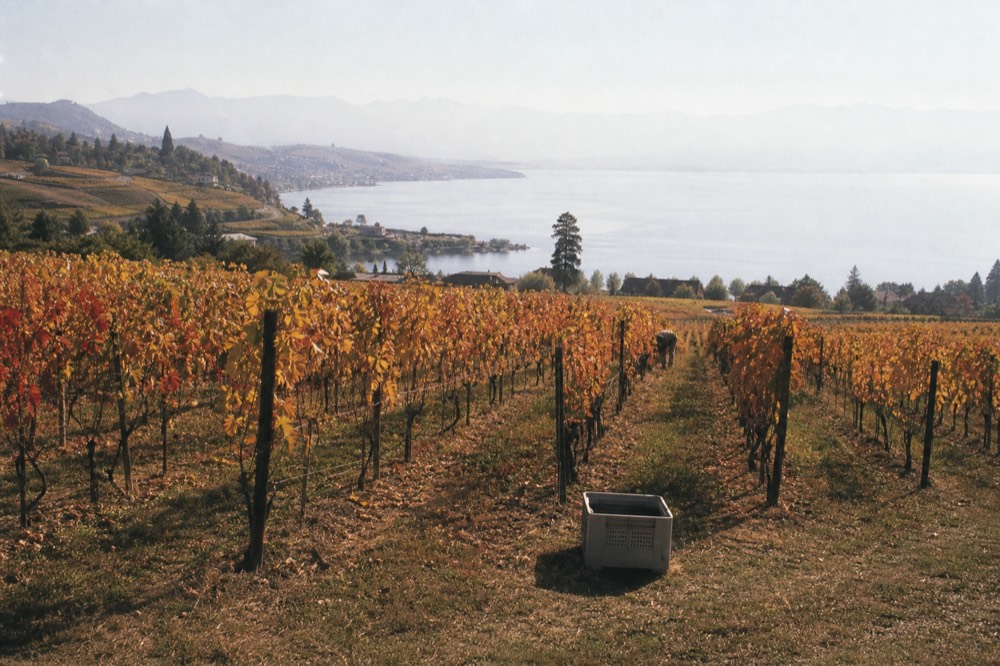
October is when the region's two stories, wine and foliage, overlap. The same slopes that hold Riesling and Cabernet Franc vines turn red and gold, and the harvest crews are visibly working. Veraison and picking are done in stages, so early October and late October genuinely feel different: the first weeks carry the rush of early picks and fall-color tours, while the last weeks are quieter, with the foliage fading and the season winding toward dormancy.
The lake effect that defines the region is also at its most visible in October. Seneca Lake's thermal mass is still releasing summer heat into the shoreline air, which is precisely why the grapes can hang long enough to ripen fully. A tasting room deck in October sits inside that moderated microclimate, and the contrast between the warm slope air and the cooling lake is something you can feel, not just read about. It is the month this whole site, Finger Lakes Wine Tours, exists to help people plan for.
The practical October advice is simple: go midweek if you can, and if you must go on a weekend, book everything that has a fixed capacity in advance. Shared van tours cap at 12 travelers, and the region's two dominant operators, Crush Beer and Wine Tours with tastings included, and FLX Chauffeur with private vans where tastings are extra, both sell out fall weekends first. The three days in the Finger Lakes itinerary shows how to sequence a fall trip without backtracking.
If you are comparing October against a summer trip for a first visit, October wins on scenery and harvest atmosphere, while July and August win on lake recreation and the very longest hours. Either way, the busiest weekends reward a planned route rather than improvisation.
What About Harvest Season And Ice Wine Timing?
Harvest season runs roughly September through late October, with early picks starting in September and the latest vinifera coming off in stages through fall. Ice wine is the true outlier: those grapes stay on the vine into the hard freeze, typically deep winter, and are pressed while still frozen. No other US region ties its calendar this tightly to a single frozen moment.
The harvest itself is staggered by grape and by site. Sparkling and early whites come off first, Riesling and Chardonnay follow as the slopes lose heat, and the reds, led by Cabernet Franc, the most-planted red vinifera in the region, and Lemberger, hang longest. Because the lakes delay the killing frost, winemakers here can wait for flavor rather than picking in a panic, which is the whole competitive advantage of the region's cool-climate model.
Ice wine inverts that patience into an art form. Grapes, most commonly the thick-skinned hybrid Vidal Blanc, are left on the vine past dormancy, through snow, until a sustained hard freeze lets them be picked and pressed while frozen. The water stays behind as ice and only the concentrated juice runs out, producing an intensely sweet, high-acid dessert wine. Wagner Vineyards and Casa Larga both make a Vidal Blanc ice wine, and Casa Larga's is a named regional benchmark.
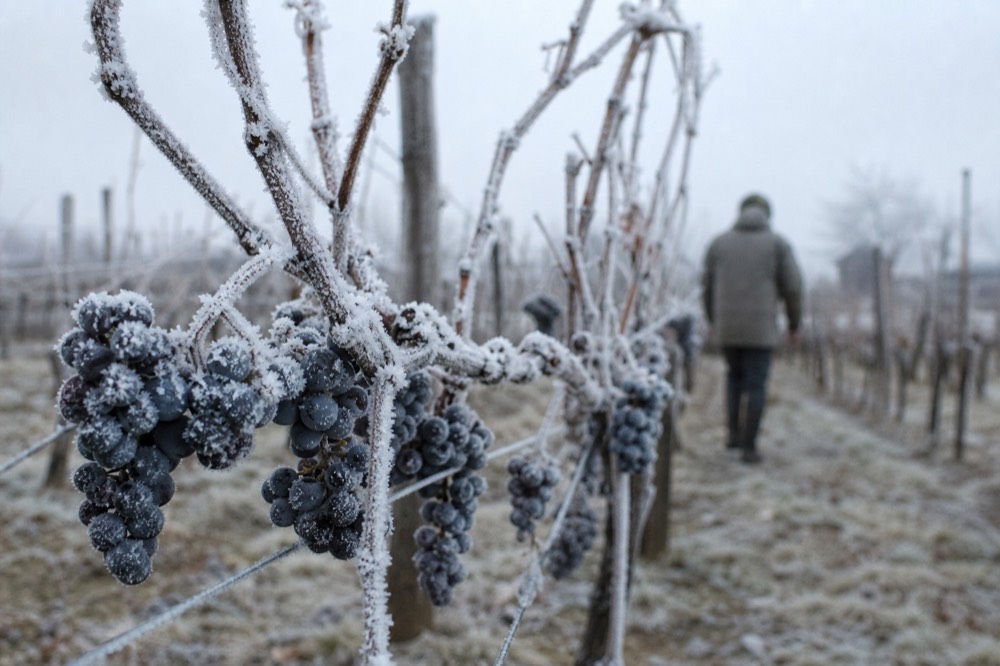
What that means for a visitor is that ice wine is a winter product with a winter story. You can taste it year-round from the bottle, but standing in a bare, snow-dusted vineyard in January, next to rows still holding frozen clusters, is the only time the process is visible. Some wineries time ice wine harvest events around the freeze, and because the freeze cannot be scheduled far ahead, those events announce on short notice. Follow the wineries you care about directly rather than expecting a fixed festival date.
| Season | What is happening in the vineyard | What a visitor can see or taste |
|---|---|---|
| Spring (April to June) | Pruning, then bud break and flowering | Bare vines turning green, quiet rooms, first preview pours of the prior vintage |
| Summer (July to August) | Canopy growth, fruit set | Full green slopes, longest hours, lake recreation alongside tasting |
| Early fall (September) | Veraison, early picks begin | Color turning in the red blocks, harvest crews, first new-vintage news |
| Peak fall (October) | Main harvest, reds hanging longest | Active picking, foliage peak, busiest and most atmospheric weeks |
| Winter (December to March) | Dormancy, ice wine grapes waiting | Bare vines, frozen clusters, ice wine harvest on freeze events |
The one honest caveat: harvest dates shift every year with the weather, so treat "harvest season" as a window, not a date. The lake-driven frost delay is reliable; the exact week any given block gets picked is not. That staggered picking is why the region's Riesling can range from bone-dry to late-harvest sweet in a single vintage.
Which Season Has The Fewest Crowds?
Midweek in May, early June, or November gives you the region at its quietest while the wineries are still fully open. Deep winter is even emptier, but you trade access for solitude, since some tasting rooms cut midweek hours or close entirely. October weekends are the opposite: the busiest, most booked-out stretch of the entire year.
May is the connoisseur's pick for quiet. Bud break is underway, the slopes are turning green, and the summer lake traffic has not arrived. Tasting room staff have time to talk, and you can often walk into rooms that in July would have a wait. The same is true of early June before school lets out region-wide.
November is the other sweet spot. Harvest is done, the foliage crowds have gone home, and the wineries that stay open are pouring for anyone who shows up. The tradeoff is shorter daylight and reduced schedules at smaller farm wineries, so a November trip rewards a little advance planning. The reduced hours are the same logic that makes midweek visits tricky year-round, and it tightens further after harvest.
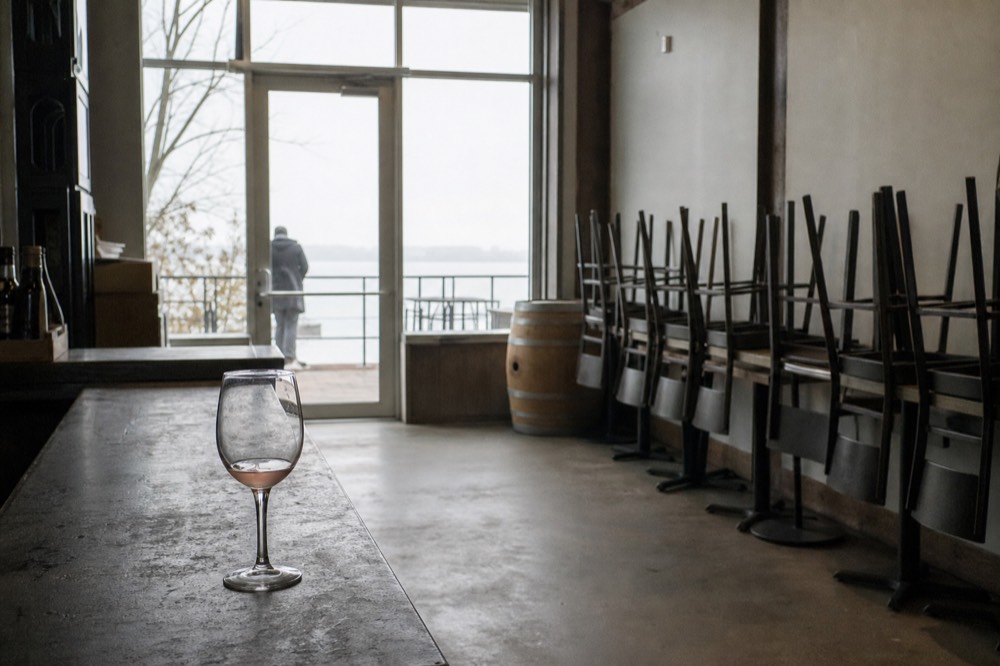
Keuka Lake deserves a special mention in the crowd equation. It is the smallest of the three main wine lakes and carries no AVA of its own, unlike Seneca Lake (established 2003, about 204,600 acres) and Cayuga Lake (established 1988). That is a labeling distinction, not a quality one, but it does mean Keuka draws less of the mass fall traffic, so its tasting rooms feel calmer even in October. A guided loop of Keuka, such as the Keuka Lake Winery Tour from $269 per person, with tastings included and the group capped at 12, is one of the better ways to experience that quieter lake without plotting your own route.
What Should You Know About Winter Visits?
Winter is the most underrated season in the region: the tasting rooms that stay open pour for almost nobody, the snow on the lake slopes is genuinely beautiful, and it is the only time ice wine grapes are visibly waiting on the vine. The costs are real too, with the shortest hours of the year, midweek closures at smaller wineries, and snow driving on rural routes.
Start with what stays open. The large, established operations on Seneca and Keuka keep winter weekend hours and many keep midweek hours as well, while smaller farm wineries cut back hard or close until spring. A winter trip works if you build your day around a handful of anchor wineries and confirm everything else by phone the day before. Assume tasting fees are paid at the door as usual; typical walk-in tastings run modest per-person amounts, and the cheapest real item on this site's roster, a standard tasting at Fulkerson Winery in Dundee, runs from $9 per person.
The scenery is a bigger draw than outsiders expect. Bare vines against snow, steam rising off the unfrozen lake water on cold mornings, and empty slopes make for the most dramatic photographs of the year. Seneca Lake rarely freezes over because of its depth, which means the lake itself looks strikingly different from the surrounding white landscape all winter.
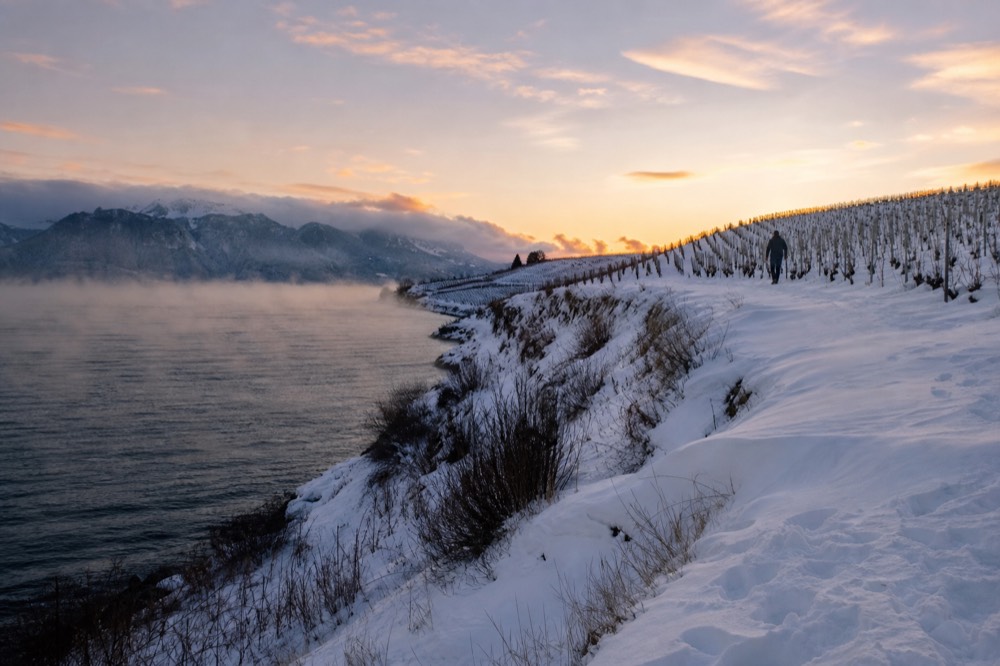
Guided options thin out in winter, but they do not vanish. A lunch-included tour such as the Canandaigua Lake wine tasting tour with lunch, from $321 per person, 7 hours, capped at 12, with free cancellation, is a good cold-weather format because the midday stop breaks up the outdoor stretches. Choosing a base with short winter drives matters more in this season than any other.
How Do Tour Schedules Change By Season?
Shared small-group tours run their fullest calendars from late spring through October, then thin in November and drop to a winter skeleton of weekend departures. Private van options run year-round because the vehicle and driver are booked for you alone. The 12-traveler cap on shared vans is a fixed format, not a seasonal adjustment.
The region's two dominant operators structure their seasons differently. Crush Beer and Wine Tours runs the shared small-group van format with tastings included in the price, and those departures multiply in summer and fall. FLX Chauffeur runs private customizable vans with tastings extra and the guest picking the wineries, up to four stops of about an hour each, and that format barely changes with the calendar because you are not sharing the van with strangers.
The 12-passenger cap has a regulatory root worth knowing. New York requires a Class C CDL for vehicles transporting 15 or more passengers and a federal P endorsement at 16 or more, which is exactly why the region's small operators run vans capped at 12 to 14 rather than full-size buses. There is no wine-tour-specific state license at all; operators are ordinary businesses holding for-hire passenger authority. That is why the tour landscape here is small vans, not coaches.
| Tour format | Peak-season availability | Off-season availability | Best season to book it |
|---|---|---|---|
| Shared small-group van (tastings included) | Daily departures, multiple lakes | Reduced, weekend-weighted | September to October |
| Private customizable van (tastings extra) | Year-round, bookable any day | Year-round | November to April, when flexibility matters most |
| Single-winery walk-in tasting | Tasting room hours only | Reduced hours, call ahead | Any season, as an add-on |
| Private group transport, up to 6 | Year-round | Year-round | Winter and midweek, when shared tours are scarce |
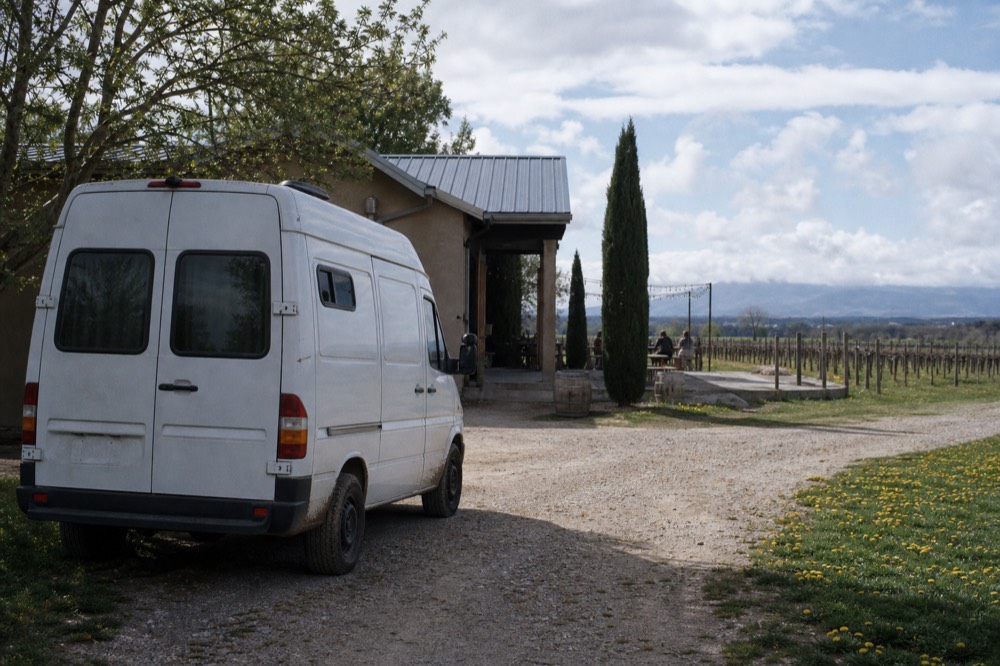
Cayuga Lake illustrates the thin-off-season point honestly. Cayuga's guided inventory is genuinely small, just a couple of listings on this site, and the stand-out there is a transport-and-guiding product for up to six people, from around $420 per group, with the live listing carrying the current figure, tastings paid separately at the door. That format shines in the months when set-departure shared tours are scarce, because the group of six books the vehicle regardless of season. It also beats self-driving on winter roads outright.
What Should You Pack For Each Season?
Pack for the season's two environments, the tasting room and the vineyard, because you will move between both. Summer wants sun protection and lake breeze layers, fall wants warm layers for deck tastings that turn cold at sunset, and winter wants serious insulation plus driving-in-snow readiness. Tasting rooms themselves are casual, so comfort beats formality in every month.
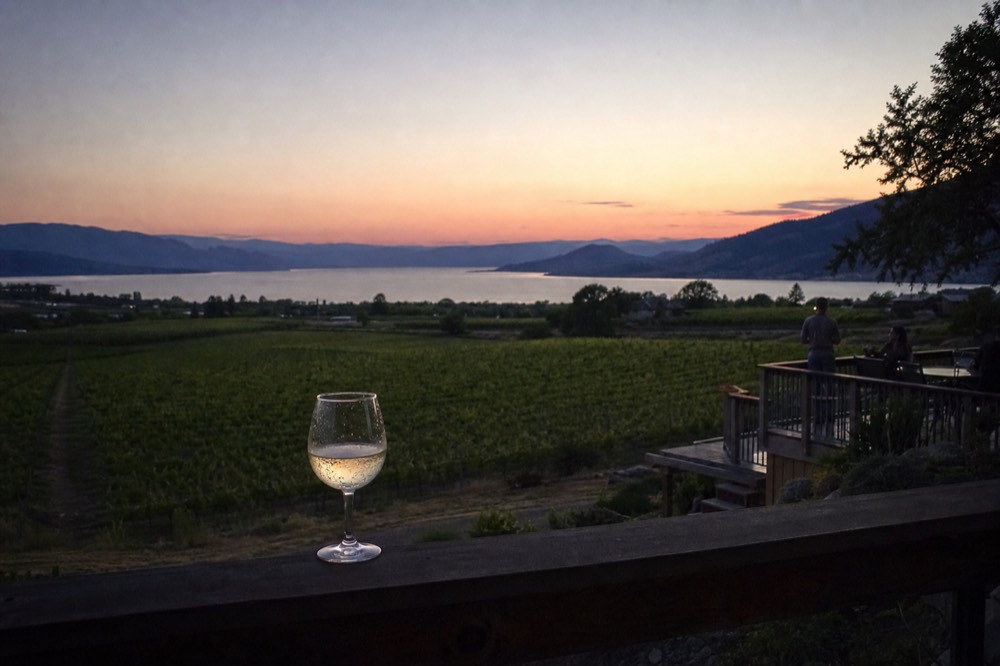
Fall is the season people most often under-pack for. An October afternoon on a tasting room deck can feel like summer, and the same deck an hour after sunset can feel like November. Layers you can shed and re-add are the answer, and closed shoes matter if any of your stops include walking through vineyard rows, since harvest season means mud between the vines. Casual, comfortable clothing is the regional norm at every price point of tasting room.
Winter adds a driving dimension. The wine trails run along rural lake-shore roads that plows reach on their own schedule, so if you are self-driving in January, plan for snow, daylight that ends by early evening, and the reality that a four-stop day is ambitious when rooms close mid-afternoon. This is also the season where hiring a driver, private or shared, pays for itself in both safety and schedule sanity, and it is the strongest argument anywhere in the calendar for skipping the rental car entirely.
One item matters in every season: identification. The legal drinking age in New York is 21, and there is no parental-consent exception for a tasting room serving an under-21 guest. Accepted ID includes a New York driver's license, any other US state or Canadian license, a NY non-driver ID, US military ID, or a passport or visa. Operators enforce this at the winery, not at booking, so carry the ID even if you booked months earlier.
| Season | Clothing essentials | Other items worth bringing |
|---|---|---|
| Spring (April to June) | Layers, rain shell, waterproof shoes | Mud-ready footwear for vineyard walks |
| Summer (July to August) | Sun hat, breathable clothing, light evening layer | Sunscreen, water bottle for warm decks |
| Fall (September to November) | Warm layers, jacket, closed shoes | Binoculars for foliage overlooks, gloves for late-season decks |
| Winter (December to March) | Heavy coat, insulated boots, hat and gloves | Snow-ready vehicle plan, printed list of confirmed openings |
How Many Days Should You Plan, And When Should You Book?
Plan two to three days for a first wine-focused trip, and book guided tours and lodging six to ten weeks ahead for October, two to four weeks ahead for summer weekends, and nearly last-minute for midweek off-season dates. The longer the trip, the more it pays to base yourself beside one lake rather than driving across all of them.
The two-to-three-day logic comes from the geography. The wine country clusters around Seneca, Keuka and Cayuga, and each lake's trail is a comfortable day of stops on its own. Trying to sample all three lakes in one day means more driving than tasting, which is why the shared van tours, running 5 to 7 hours with a dozen travelers, focus on a single lake per departure. Basing in one spot keeps every day within a short drive, and the Watkins Glen as a base for a wine tour guide makes the case for the Seneca side.
Booking lead time scales with season. October's fixed-capacity products, shared vans capped at 12, private vans, and the better lodging, sell in late summer. A July or August weekend needs a few weeks. A midweek November date can often be arranged days ahead, and winter private tours are the most flexible of all because the calendar is empty.
A note on cancellation when you book far ahead. Some listings on this site's roster, including the lunch-included tours, carry free cancellation, while several of the most-established shared tours are non-refundable. Check the operator's live listing for the specific product before committing an October date months out, since the same operator sometimes runs both refundable and non-refundable versions of a near-identical itinerary. The wine tour packages and what they cost guide sorts the pricing structures.
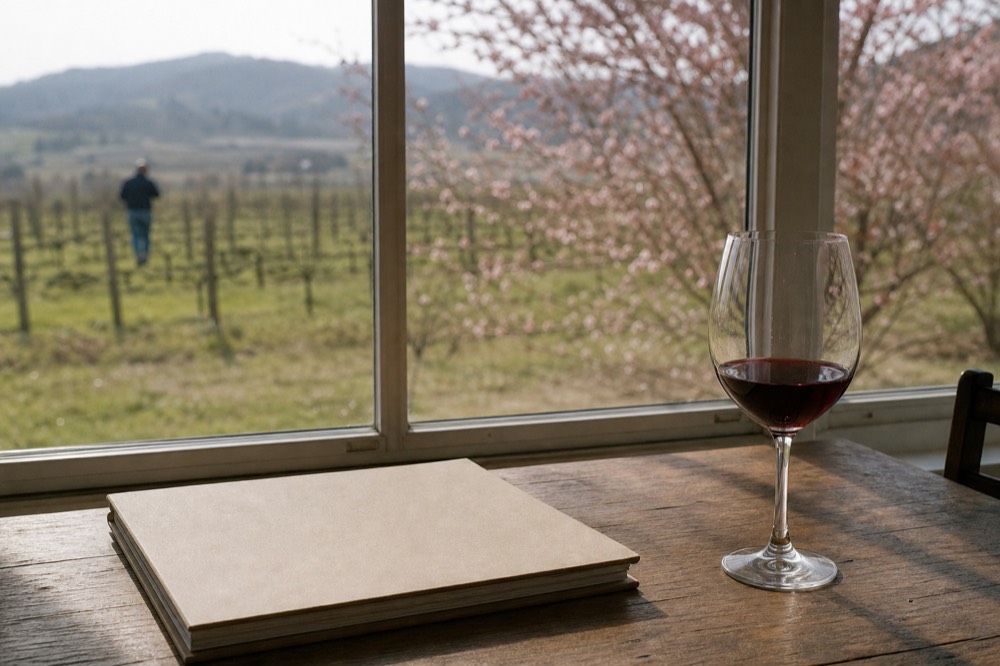
Whichever month you land on, the same three decisions do most of the work: pick one lake as your anchor, match your booking lead time to the season's crowd curve, and decide early whether you want the flexibility of a private van or the built-in tastings of a shared small-group tour. Get those right and even a quiet February weekend delivers more than most visitors expect.
October is the peak answer, but the honest full answer is that every season trades something: October gives harvest and foliage but demands early booking, May and November give quiet with shorter daylight, and winter gives ice wine country at the cost of reduced hours. The questions below cover the specific timing decisions most visitors wrestle with, from crowd avoidance to booking lead times.
Common Questions About The Best Time To Visit Finger Lakes Wineries
Is October A Good Time To Visit Finger Lakes Wineries?
Yes, October is the best single month for most visitors. Harvest is active, fall foliage peaks on the lake slopes, and tasting rooms run long hours. The tradeoff is crowds: October weekends are the busiest of the year, so book tours and lodging well ahead or go midweek.
When Is Ice Wine Season In The Finger Lakes?
The ice wine harvest happens in deep winter, whenever a sustained hard freeze arrives. Grapes, most often Vidal Blanc, stay on the vine through snow and are pressed while still frozen. You can taste bottled ice wine year-round, but the harvest itself is a winter, short-notice event.
What Is The Least Crowded Time To Visit Finger Lakes Wineries?
Midweek in May, early June, or November offers the quietest fully-open season. Deep winter is emptier still, but some tasting rooms cut midweek hours or close until spring, so confirm openings before you drive.
Do Finger Lakes Wineries Stay Open In Winter?
The large established wineries on Seneca and Keuka keep winter hours, often weekends and some midweek days, while smaller farm wineries reduce schedules or close. Winter visits work best around a few anchor wineries confirmed in advance.
How Far In Advance Should I Book A Finger Lakes Wine Tour?
Book six to ten weeks ahead for October dates, two to four weeks for summer weekends, and near last-minute for midweek off-season dates. Shared van tours cap at 12 travelers, so fixed-capacity fall departures sell out first.
How Many Days Do You Need For Finger Lakes Wine Country?
Two to three days is right for a first wine-focused trip, one day per lake trail. Basing yourself beside a single lake, such as Seneca or Keuka, keeps driving short and lets you reach more tasting rooms each day.